Hair Peace: How Calm Mindset Transformed My Strand Struggles
Ever notice how bad hair days hit harder when you're stressed? I did. After months of thinning edges and endless breakage, I realized my hair wasn’t the problem—my stress was. Turns out, what’s going on in your mind shows up in your strands. This is how learning to manage emotions quietly revived my hair health, no magic, just mindset and small, consistent shifts. It wasn’t a new serum or an expensive treatment that made the difference—it was finally understanding that emotional well-being and physical appearance are deeply connected. For years, I chased solutions in bottles, only to overlook the one thing that was silently unraveling everything: my inner state.
The Breakage That Wasn’t About Shampoo
It started subtly—a few extra strands in the brush, more shedding in the shower, then noticeable thinning along the hairline. At first, I blamed my shampoo. I switched to sulfate-free formulas, added protein treatments, and even bought a silk pillowcase. Nothing worked. I tried hot oil masks and biotin supplements, but the hair continued to weaken. I was frustrated, searching for answers in ingredient lists and online reviews, convinced the solution had to be external. But the real turning point came during a particularly intense work season. Deadlines piled up, sleep became inconsistent, and I found myself snapping at loved ones over small things. That’s when I noticed the hair loss accelerating. It wasn’t until I connected the timing—my worst shedding coincided with my highest stress—that I began to suspect the root cause wasn’t on my scalp, but in my nervous system.
What I didn’t know then was that stress triggers a biological response that directly impacts hair health. When the body perceives pressure—whether emotional, mental, or physical—it releases cortisol, often called the “stress hormone.” Elevated cortisol levels over time can disrupt the natural cycle of hair growth. Normally, hair grows in phases: an active growth phase (anagen), a transition phase (catagen), and a resting phase (telogen), after which the strand sheds and a new one begins. But chronic stress can push more follicles into the telogen phase prematurely, leading to increased shedding. This condition, known as telogen effluvium, is not caused by genetics or poor hygiene, but by internal imbalance. The realization was humbling: I had been treating symptoms while ignoring the system behind them.
Traditional hair care routines often miss this crucial link. They focus on surface-level fixes—cleansing, moisturizing, protecting—without addressing the internal environment that supports or sabotages those efforts. No amount of leave-in conditioner can counteract the effects of prolonged cortisol exposure. That’s why so many women, especially those in high-pressure roles or managing family responsibilities, find themselves caught in a cycle of trying new products with little lasting improvement. The missing piece isn’t another oil or serum—it’s emotional regulation. Once I began to prioritize calming my mind, the changes in my hair followed, not overnight, but steadily. The breakage slowed. New growth appeared. My edges began to fill in. It wasn’t magic—it was biology responding to balance.
Why Your Scalp Cares About Your Stress Levels
The connection between stress and hair loss isn’t just anecdotal—it’s backed by medical science. When the body is under chronic stress, it enters a prolonged state of “fight or flight,” which redirects resources away from non-essential functions, including hair growth. Blood flow to the scalp can decrease, depriving hair follicles of the oxygen and nutrients they need to thrive. At the same time, inflammation increases, which can further damage follicles and disrupt the hair cycle. These physiological changes create an environment where hair struggles to grow strong and healthy.
Telogen effluvium, the most common stress-related hair loss condition, typically appears about two to three months after a significant emotional or physical trigger. This delay often makes it difficult to connect the dots. A woman might experience a difficult life event—job loss, family conflict, illness, or even a major transition like moving or returning to work after maternity leave—and not realize its impact until she notices more hair in her brush weeks later. Because the shedding happens after the stressor, many women don’t recognize the link. Yet studies have shown a clear association between anxiety, depression, and increased hair shedding. While not everyone will lose hair under stress, those with a genetic predisposition or existing nutrient deficiencies may be more vulnerable.
The body-mind-hair axis is more interconnected than most realize. Emotional stress doesn’t just affect mood—it alters hormone levels, disrupts sleep, and impacts digestion, all of which play a role in hair health. Poor sleep, for instance, reduces melatonin production, a hormone that not only regulates sleep but also supports hair growth. Similarly, stress-related digestive issues can impair nutrient absorption, particularly of iron, zinc, and B vitamins—nutrients essential for strong hair. When the body is in survival mode, it prioritizes vital organs over aesthetics, which means hair becomes a low-priority system. This biological logic makes sense from an evolutionary standpoint, but it’s hard to accept when you’re staring at thinning strands in the mirror.
Recognizing this connection is the first step toward real change. It shifts the focus from blame to understanding. Instead of thinking, “What did I do wrong?” the question becomes, “What is my body trying to tell me?” This mindset allows for compassion rather than frustration. It also opens the door to solutions that go beyond topical treatments. By addressing the root causes—chronic tension, poor sleep, emotional overwhelm—women can create internal conditions where hair can naturally recover. The scalp, after all, is an extension of the body’s overall health. When the mind is calm, the body follows. When the body is supported, the hair responds.
Spotting the Emotional Triggers Hiding in Your Routine
Stress doesn’t always come in dramatic forms. Often, it’s the accumulation of small, unnoticed habits that wear down the nervous system over time. For many women, daily routines are filled with micro-stresses that go unexamined: checking emails first thing in the morning, rushing through breakfast, multitasking during family time, or scrolling through social media late at night. These behaviors may seem harmless, even normal, but they keep the body in a low-grade state of alertness, which over time can contribute to physical symptoms like hair thinning.
One of the most overlooked triggers is nighttime screen use. The blue light from phones and tablets suppresses melatonin, making it harder to fall asleep and reducing sleep quality. Poor sleep, in turn, increases cortisol levels, creating a cycle that affects both mood and hair. Similarly, emotional eating—reaching for sugary or processed foods when feeling anxious or overwhelmed—can cause blood sugar spikes and crashes, which further destabilize mood and energy. These patterns may not feel like “stress” in the traditional sense, but the body responds to them as threats, activating the same physiological pathways as major life events.
To uncover these hidden triggers, it helps to pause and reflect. Ask yourself: When did I first notice my hair thinning? What was happening in my life at that time? Were there changes in my schedule, relationships, or responsibilities? Journaling can be a powerful tool for making these connections. Writing down daily stressors, mood fluctuations, and hair observations—even something as simple as “more shedding after a late night”—can reveal patterns over time. Over a few weeks, you might notice that bad hair days often follow restless nights or tense work meetings. This awareness doesn’t mean you have to eliminate every stressor—life will always have demands—but it allows you to make intentional choices. Maybe you decide to set a digital curfew, prepare a calming bedtime tea, or take five minutes to breathe before starting your day. Small shifts can have a big impact when done consistently.
The goal isn’t perfection—it’s awareness. By identifying the emotional triggers embedded in daily life, women can begin to create space for recovery. It’s not about adding more to your to-do list, but about noticing what’s already there and making gentle adjustments. When you stop treating hair loss as a cosmetic issue and start seeing it as a signal, you open the door to deeper healing. The hair doesn’t lie. It reflects what the body is experiencing, often before the mind fully registers it. Listening to those signals is the first act of care.
Calm-Down Rituals That Actually Help Hair
Once you recognize the mind-hair connection, the next step is action—but not the kind that involves drastic changes or expensive treatments. The most effective strategies are often the simplest: small, daily practices that lower mental noise and support physiological balance. These aren’t quick fixes, but sustainable habits that, over time, create the internal conditions for healthier hair. Three practices, in particular, have been shown to reduce stress and support hair resilience: breathwork, digital sunset, and gratitude reflection.
Breathwork, even for just five minutes a day, can have a measurable impact on the nervous system. Deep, slow breathing activates the parasympathetic nervous system, which counteracts the fight-or-flight response. This shift reduces cortisol levels, improves circulation, and increases oxygen flow to the scalp—all of which support hair growth. One simple technique is box breathing: inhale for four counts, hold for four, exhale for four, hold for four, and repeat. Doing this before bed or during a midday break can help reset your nervous system. In my own experiment, I committed to five minutes of breathwork each night for four weeks. By the end, I noticed not only better sleep and less anxiety, but also stronger, more resilient hair. Pull tests—gently tugging on a small section—showed fewer strands coming out, a sign that shedding had decreased.
Another powerful habit is the digital sunset—turning off screens at least an hour before bedtime. This simple act supports natural melatonin production, improves sleep quality, and reduces mental stimulation that keeps the mind racing. Instead of scrolling, try reading a book, listening to calming music, or doing a light stretch. The goal is to signal to your body that it’s time to wind down. Better sleep means lower cortisol, better hormone regulation, and improved nutrient absorption—all of which benefit hair health. Women who adopt this practice often report not only improved hair texture but also a greater sense of emotional clarity and calm.
Finally, a gratitude pause—taking a moment each day to reflect on what you’re thankful for—can shift your emotional baseline. Gratitude has been linked to lower stress levels, improved mood, and even better immune function. It doesn’t have to be elaborate; just naming three things you appreciate each day can rewire the brain to focus on safety rather than threat. Over time, this reduces the background hum of anxiety that so many women live with. And when the mind feels safer, the body follows. These rituals aren’t about adding more to your day—they’re about creating space for restoration. Consistency matters more than intensity. Five minutes of breathwork every night is more effective than an hour once a week. Small, repeated actions build resilience from the inside out.
Hair-Care Habits That Double as Mind Therapy
Self-care routines can be more than just maintenance—they can become acts of mindfulness. When done with intention, hair care can serve as a form of mental therapy, offering a daily opportunity to slow down, reconnect with the body, and practice presence. The key is to shift the mindset from “fixing” to “nourishing.” Instead of rushing through wash day, treat it as a sensory experience. Let the warm water, the scent of your shampoo, the feel of your fingers on your scalp become anchors to the present moment.
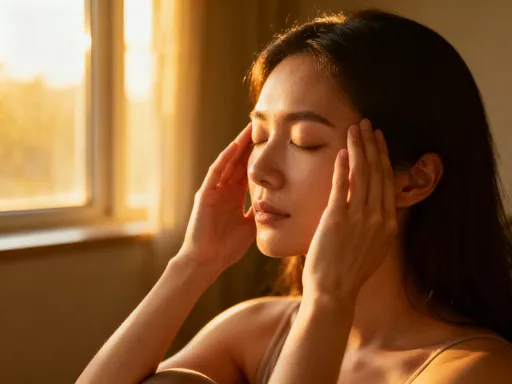
Scalp massage is one of the most effective practices for both hair and mind. Beyond improving blood circulation—which delivers nutrients to follicles—it also activates pressure points linked to relaxation. The rhythmic motion of massaging the scalp can be deeply soothing, similar to a mini meditation. Use your fingertips in small circular motions, starting at the temples and moving toward the crown. You don’t need special oils, though natural ones like coconut or jojoba can enhance the experience. The act of touch itself is grounding. It brings awareness to the body, interrupts rumination, and signals safety to the nervous system. Many women report that regular scalp massages not only reduce tension headaches but also create a sense of emotional release.
Slowing down your routine transforms it from a chore into a ritual. Instead of multitasking—answering emails while conditioning—dedicate those minutes solely to yourself. Notice the temperature of the water, the texture of the products, the sound of the shower. These sensory details pull you out of autopilot and into the moment. This kind of mindful attention reduces mental clutter and supports emotional regulation. Over time, these small pauses accumulate, creating a reservoir of calm that buffers against daily stress.
Scent and touch also play a powerful role. Aromatherapy, even in subtle forms, can influence mood. Lavender, for example, has been studied for its calming effects on the nervous system. Adding a few drops to your shampoo or using a scented oil during your scalp massage can deepen the relaxation response. Similarly, the physical sensation of massaging or brushing your hair can be meditative. The repetitive motion, the gentle pull, the rhythm—it all contributes to a sense of order and control in a chaotic world. When hair care becomes a ritual of presence, it stops being about appearance and starts being about well-being. And when you care for your mind, your hair benefits as a natural byproduct.
Eating for Your Mood—and Your Hair
Nutrition plays a dual role in both emotional balance and hair health. The foods you eat influence brain chemistry, energy levels, and hormone regulation—all of which affect how you feel and how your hair grows. Rather than focusing on extreme diets or trendy supplements, the goal is stable, consistent nourishment that supports both mind and body. Certain nutrients, in particular, are essential for both emotional resilience and strong hair: omega-3 fatty acids, zinc, iron, and B vitamins.
Omega-3s, found in fatty fish, flaxseeds, and walnuts, are known for their anti-inflammatory properties and their role in brain health. They support the production of neurotransmitters like serotonin, which helps regulate mood. At the same time, they nourish the scalp and improve hair texture. Zinc, found in pumpkin seeds, lentils, and lean meats, is involved in cell reproduction and hormone balance—both critical for hair growth. Deficiencies in zinc have been linked to increased shedding. B vitamins, especially biotin (B7) and B12, are often associated with hair health, but they also play a role in energy metabolism and nervous system function. Low levels can contribute to fatigue and mood swings, which in turn affect hair.
Blood sugar balance is another key factor. Consuming too many refined carbohydrates and sugars can lead to energy crashes, irritability, and increased cortisol production. These fluctuations not only affect mood but also contribute to inflammation, which can impair follicle function. A simple way to stabilize blood sugar is to include protein, healthy fats, and fiber in every meal. Starting the day with a balanced breakfast—such as eggs with vegetables, oatmeal with nuts, or Greek yogurt with berries—can set a steady tone for the rest of the day. Hydration also matters. Even mild dehydration can cause fatigue and brain fog, which amplify stress.
The goal isn’t perfection or restriction. It’s about making small, sustainable tweaks that support long-term well-being. Swap sugary snacks for fruit and nut combinations. Drink water throughout the day. Choose whole grains over processed ones. These changes don’t require a complete diet overhaul—they’re about consistency and awareness. When you eat to support your mood, you naturally support your hair. The body thrives on stability, and so does the mind. Nourishment, in this sense, is an act of self-respect. It says, “I am worth caring for.” And when you treat yourself with that kind of kindness, the effects ripple outward—in your energy, your emotions, and yes, even in the strength of your strands.
When to Seek Help Beyond Habits
While lifestyle changes can make a significant difference, there are times when emotional stress requires professional support. If you’re experiencing persistent fatigue, difficulty concentrating, low motivation, or ongoing hair loss despite making changes, it may be a sign that stress has evolved into something more serious, like anxiety or depression. These are not character flaws or signs of weakness—they are medical conditions that deserve care, just like any physical illness.
Consulting a doctor is an important step. A healthcare provider can rule out underlying medical causes of hair loss, such as thyroid imbalances, hormonal disorders, or nutrient deficiencies. Blood tests can identify issues that lifestyle changes alone may not resolve. At the same time, speaking with a licensed therapist can help you develop tools to manage chronic stress, process difficult emotions, and build resilience. Therapy is not about “fixing” yourself—it’s about learning to navigate life’s challenges with greater support and clarity.
Normalizing help-seeking is part of redefining self-care. Mental health is not separate from beauty or physical health—it is foundational to it. Just as you wouldn’t hesitate to see a doctor for a persistent physical symptom, you shouldn’t hesitate to seek support for emotional overwhelm. The journey to healthier hair isn’t about doing everything alone. It’s about recognizing when you need help and having the courage to ask for it. This isn’t failure—it’s wisdom. And it’s one of the most powerful acts of self-love you can practice.
Healthy hair starts with a cared-for mind, not a perfect routine. It grows from a place of balance, not perfection. The journey isn’t about eliminating stress—that’s impossible. It’s about building the inner resources to meet life’s demands without breaking down. When you treat emotional health as essential, not optional, real change takes root. This journey taught me that peace isn’t passive; it’s the quiet force behind lasting beauty.