Why I Take Prevention Seriously — My Real Talk on Staying Ahead of Illness
We often wait until we're sick to think about health. But what if we flipped that? I started asking myself: Why wait for symptoms to act? After learning how small, daily choices shape long-term wellness, I changed my mindset. Preventive healthcare isn’t about perfection—it’s about consistency. This is my journey into understanding health standards, not as rules, but as personal commitments that actually work.
The Wake-Up Call: When I Realized Prevention Matters
For years, I treated my body like a machine that would run indefinitely without maintenance. I wasn’t diagnosed with any serious condition, but I wasn’t thriving either. I felt sluggish by mid-afternoon, caught every cold that went around the office, and struggled to focus during the day. At first, I blamed it on a busy schedule or aging. But deep down, I knew something was off. It wasn’t until I missed my daughter’s school play because I was too exhausted to stay awake that I realized I couldn’t keep going like this. That moment wasn’t a medical emergency, but it was an emotional wake-up call. I began to ask: if I wasn’t actively supporting my health, what was I doing to protect it?
That question led me to research the concept of preventive healthcare. I discovered that many chronic conditions—like type 2 diabetes, heart disease, and certain cancers—develop slowly over time, often without noticeable symptoms in the early stages. The choices we make every day, from what we eat to how much we move, either build resilience or increase risk. I started reading studies, attending community health talks, and eventually scheduled an appointment with my primary care provider. What surprised me most was how much influence I actually had. I wasn’t at the mercy of genetics or fate. Small, consistent actions could shift the trajectory of my health in a meaningful way.
This realization changed everything. I no longer saw health as something that just happened to me, but as something I could shape. Prevention, I learned, doesn’t begin with a diagnosis—it begins with awareness. It starts when you notice that your energy is dipping, your sleep is inconsistent, or your mood is more fragile than usual. These aren’t just inconveniences; they’re signals. My journey into prevention didn’t start with illness, but with listening. And once I started paying attention, I couldn’t unhear the message my body was sending.
What Preventive Healthcare Really Means (And What It Doesn’t)
When I first heard the term “preventive healthcare,” I assumed it meant eating salads and getting an annual physical. While those are part of it, the reality is much broader. Preventive healthcare is a structured approach to reducing the risk of disease before it occurs, and it operates on three key levels: primary, secondary, and tertiary prevention. Each plays a distinct role in maintaining long-term wellness. Understanding these layers helped me move beyond surface-level habits and build a more intentional strategy.
Primary prevention is about stopping disease before it starts. This includes actions like getting vaccinated, maintaining a balanced diet, staying physically active, and avoiding tobacco. These measures target risk factors directly. For example, regular physical activity helps regulate blood sugar and blood pressure, both of which are major contributors to heart disease and diabetes. Primary prevention is proactive—it’s like installing smoke detectors in your home before a fire ever breaks out.
Secondary prevention focuses on early detection. This is where screenings come in—mammograms, colonoscopies, blood pressure checks, and cholesterol tests. The goal is to catch conditions in their earliest, most treatable stages, often before symptoms appear. This level is crucial because many serious diseases, such as hypertension or high cholesterol, are silent until they cause significant damage. Regular screenings allow for timely intervention, which can prevent complications down the line.
Tertiary prevention involves managing existing health conditions to prevent them from worsening. This might include cardiac rehabilitation after a heart attack or diabetes management programs to prevent complications like nerve damage or vision loss. While this level deals with illness, it still falls under prevention because it aims to stop further decline. It’s important to understand that preventive healthcare doesn’t promise immunity. No one can guarantee they’ll never get sick. Instead, it’s about reducing risk and increasing resilience. It’s not about fear—it’s about empowerment through informed choices.
Understanding Health Standards: Your Body’s Baseline
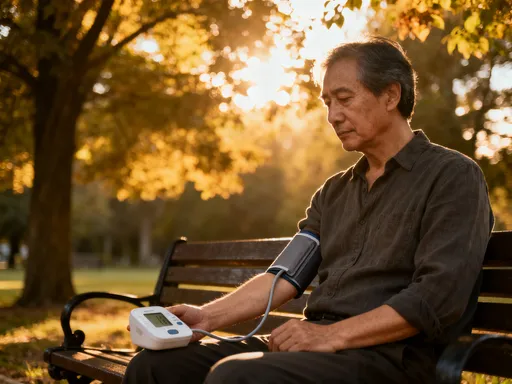
One of the most empowering things I’ve learned is how to interpret basic health metrics. Numbers like blood pressure, cholesterol levels, and body mass index (BMI) aren’t arbitrary. They’re based on decades of population research and clinical data that help identify patterns associated with disease risk. For example, a blood pressure reading consistently above 130/80 mm Hg is considered elevated and is linked to a higher risk of stroke and heart disease. Knowing this gave me a clearer picture of what “normal” really means—and where I stood.
Think of your body like a car. Just as a mechanic checks the oil, tire pressure, and engine codes to keep a vehicle running smoothly, health standards act as early warning systems for your body. They don’t tell the whole story, but they provide valuable clues. A high LDL cholesterol level, for instance, might indicate an increased risk for plaque buildup in the arteries, even if you feel perfectly fine. The key is not to obsess over every number, but to use them as tools for awareness and discussion with your healthcare provider.
I used to worry that tracking these metrics would make me anxious. But the opposite happened. When I got my first comprehensive blood panel, I wasn’t alarmed—I was informed. My fasting glucose was slightly elevated, which prompted me to adjust my carbohydrate intake and increase physical activity. My doctor didn’t diagnose me with diabetes, but she did say I was in a pre-diabetic range, which is reversible with lifestyle changes. That knowledge was a gift. It gave me time—time to act before a condition became chronic.
It’s also important to remember that health standards are guidelines, not rigid rules. They’re based on averages across large populations, but individual needs vary. A BMI of 22 might be ideal for one person, but not for an athlete with high muscle mass. That’s why professional interpretation matters. Self-diagnosis can lead to unnecessary stress or false reassurance. Instead, I learned to bring my results to my doctor, ask questions, and work together on a plan. This collaborative approach turned numbers into meaningful action.
Daily Habits That Build Resilience
If prevention has a foundation, it’s built on daily habits. No single test or supplement can replace the cumulative effect of consistent, healthy behaviors. Over time, I identified four pillars that made the biggest difference: movement, sleep, nutrition, and stress management. These aren’t revolutionary ideas, but their impact is profound when practiced regularly.
Movement is one of the most powerful preventive tools available. I didn’t start with intense workouts—instead, I began walking 20 minutes after dinner. Research shows that even light physical activity after meals helps regulate blood sugar, especially important for preventing insulin resistance. Over time, I added short strength training sessions twice a week, which helped maintain muscle mass and support metabolism. The goal wasn’t to become an athlete, but to keep my body functioning optimally. The American Heart Association recommends at least 150 minutes of moderate-intensity aerobic activity per week, and breaking that into manageable chunks made it feel achievable.
Sleep was another game-changer. I used to sacrifice sleep to finish chores or scroll through my phone, not realizing how much it affected my health. Poor sleep is linked to weakened immunity, increased inflammation, and higher stress hormone levels. Once I committed to a consistent bedtime and created a calming routine—no screens an hour before bed, dim lights, and herbal tea—I noticed improvements in my energy, focus, and even my mood. Adults generally need 7 to 9 hours of quality sleep per night, and prioritizing it became non-negotiable.
Nutrition didn’t mean strict diets or cutting out entire food groups. Instead, I focused on balance and mindfulness. I started reading labels, reducing added sugars, and increasing fiber intake through whole grains, vegetables, and legumes. I also practiced portion control and ate slowly, which helped me recognize fullness cues. These changes weren’t about weight loss—they were about fueling my body with what it needed to function well. Small shifts, like swapping soda for sparkling water or choosing grilled over fried, added up over time.
Finally, managing stress became essential. Chronic stress contributes to high blood pressure, digestive issues, and weakened immunity. I began incorporating simple techniques like deep breathing, short walks in nature, and journaling. Even five minutes of quiet reflection helped reset my nervous system. These habits didn’t eliminate stress—they helped me respond to it more effectively. Together, these four pillars created a buffer against illness, making my body more resilient to the challenges of daily life.
Screenings and Check-Ups: What’s Actually Worth It?
With so much information available, it’s easy to feel overwhelmed about which screenings are necessary. I used to wonder: Do I really need a cholesterol test? When should I start getting mammograms? The answer, I learned, depends on age, family history, and lifestyle. Preventive screenings aren’t one-size-fits-all—they should be personalized.
Blood work is a cornerstone of preventive care. A basic metabolic panel checks kidney function, blood sugar, and electrolyte levels, while a lipid panel measures cholesterol. I started getting these annually after turning 40, as recommended for most adults. If results are normal, testing every few years may be sufficient. But if there’s a family history of heart disease or diabetes, more frequent monitoring may be advised. My doctor also checked my vitamin D and thyroid levels, which can impact energy and mood—two areas I had struggled with.
Cancer screenings are another critical area. For women, regular mammograms starting at age 40 or 50 (depending on guidelines and risk factors) help detect breast cancer early. Cervical cancer screening through Pap smears is recommended every three to five years for women aged 21 to 65. Colon cancer screening, typically through colonoscopy, should begin at age 45 for average-risk individuals. These tests can be uncomfortable to think about, but their ability to catch cancer early—when treatment is most effective—makes them invaluable.
Heart health assessments include blood pressure checks, EKGs if needed, and discussions about family history. I was surprised to learn that heart disease is the leading cause of death for women, not just men. My doctor reviewed my risk factors and encouraged me to maintain healthy habits. The key is to approach screenings as a partnership. I shared my concerns, and she helped me understand which tests were appropriate for my stage of life. This balanced approach prevented unnecessary tests while ensuring I stayed informed.
The Role of Environment and Mindset
Prevention isn’t just about individual choices—it’s also shaped by our environment and mindset. Where we live, work, and spend our time influences our access to healthy food, safe spaces to exercise, and clean air. I live in a neighborhood with sidewalks and parks, which makes walking easier. But I recognize not everyone has that privilege. Air quality, access to healthcare, and even social connections play a role in long-term health.
Social support, in particular, is a powerful but often overlooked factor. Studies show that strong relationships reduce stress, lower blood pressure, and even improve survival rates after serious illness. I made an effort to nurture friendships, join a walking group, and stay connected with family. These interactions didn’t just bring joy—they supported my health in measurable ways.
Mindset is equally important. I used to view health as a destination: lose weight, lower cholesterol, check the box. But that approach led to burnout. Shifting to a preventive mindset meant seeing health as an ongoing process. It’s not about perfection—it’s about progress. Some days I skip a walk or eat dessert. That’s okay. What matters is returning to the habit, not punishing myself for slipping. This compassionate approach made prevention sustainable.
I also learned to celebrate small wins. Drinking more water, getting to bed on time, or choosing a healthy snack—these aren’t dramatic changes, but they add up. Over time, they reshape your identity. You stop seeing yourself as someone trying to be healthy and start seeing yourself as someone who *is* healthy. That shift in self-perception is one of the most powerful tools in prevention.
Putting It All Together: A Sustainable Prevention Plan
After years of learning and adjusting, I’ve built a prevention plan that works for my life. It’s not rigid or extreme—it’s flexible, realistic, and centered on consistency. I start with a morning routine: hydrate, stretch, and review my goals for the day. I aim for 30 minutes of movement, whether it’s a walk, yoga, or household chores done with intention. Meals are balanced, with plenty of vegetables and whole grains. I track my sleep and limit screen time at night. Every six months, I check in with my doctor and review my lab results.
What makes this plan sustainable is that it’s built on small, manageable actions. I didn’t overhaul everything at once. I started with one habit—walking after dinner—and added others over time. This gradual approach prevented overwhelm and made success more likely. I also built in flexibility. Travel, holidays, and busy weeks happen. Instead of abandoning the plan, I adapt. If I miss a workout, I move more the next day. If I eat something indulgent, I return to balance without guilt.
Most importantly, I view this plan as support, not a substitute for medical care. I still see my doctor regularly, follow medical advice, and get recommended screenings. Prevention doesn’t replace treatment—it complements it. By taking responsibility for the factors I can control, I reduce my risk and increase my chances of catching issues early.
Creating your own plan starts with self-awareness. What are your current habits? What small change could you make today? It might be scheduling a check-up, adding a vegetable to dinner, or setting a bedtime alarm. The goal isn’t to do everything at once, but to start. Every positive choice is a step toward a healthier future.
Preventive healthcare isn’t about fear—it’s about freedom. The freedom to live fully, with fewer interruptions from illness. My journey taught me that health standards aren’t cold numbers; they’re tools for self-awareness. By taking small, informed steps today, we invest in a stronger, more resilient tomorrow. This isn’t a quick fix—it’s a life upgrade.