Lost in the Wild Beauty of Komodo’s Untamed Islands
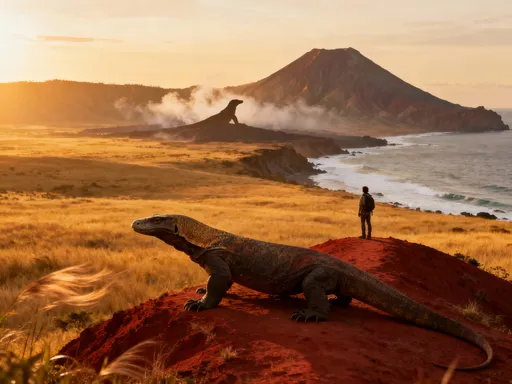
You know what? I never expected to feel so small in the best way possible—until I stood on the red-soaked soil of Komodo Island, wind in my face and a dragon gliding past like something from another era. This isn’t just a trip; it’s raw nature hitting you in the face. From pink beaches to misty mountaintops, Komodo’s landscapes aren’t just stunning—they’re alive. You gotta see it to believe it. The archipelago, nestled within Indonesia’s Lesser Sunda Islands, is a sanctuary of untamed beauty and evolutionary wonder. As a UNESCO World Heritage Site and part of Komodo National Park, this remote corner of the world offers more than postcard views—it delivers transformation. For travelers seeking authenticity, adventure, and a deep connection with Earth’s primal forces, Komodo is not merely a destination. It is a revelation.
The First Glimpse: Arriving in Komodo – Where Adventure Begins
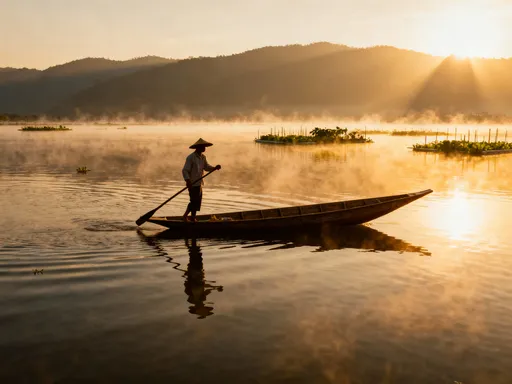
Reaching Komodo feels like embarking on a modern-day expedition. Most journeys begin in Labuan Bajo, a coastal town perched on the western tip of Flores Island. Once a quiet fishing village, Labuan Bajo has evolved into the primary gateway for visitors drawn to the wild allure of the national park. Daily flights from Bali or Jakarta land at the town’s modest airport, where the scent of saltwater and grilled seafood drifts through the air. From there, travelers board traditional wooden boats—phincas or liveaboard yachts—that cut through the cerulean waters of the Flores Sea.
The voyage to Komodo Island takes between one and three hours, depending on tides and weather. As the coastline emerges, so does the sense of entering another world. Jagged cliffs rise from the sea, cloaked in golden-brown savannah grass that sways in the ocean breeze. The terrain is rugged, almost lunar in its dryness, shaped by long dry seasons and sparse rainfall. Baobab-like lontar palms dot the hillsides, their silhouettes stark against the sky. This is not the tropical paradise of palm-fringed white sands alone; it is a land of contrasts, where arid highlands meet vibrant coral reefs just offshore.
Arrival at Loh Liang, the main visitor center on Komodo Island, marks the beginning of the true adventure. Rangers in khaki uniforms greet guests with calm authority, issuing permits and briefing visitors on safety protocols. The atmosphere is one of respectful anticipation. Every step taken here carries weight—not just because of the dragons that roam freely, but because this is a protected ecosystem where human presence must be mindful. The first glimpse of Komodo’s wild heart stirs something deep: a mix of awe, humility, and excitement. It’s the feeling of standing at the edge of discovery, where nature remains unapologetically in charge.
Home of the Komodo Dragon: More Than Just a Lizard Encounter
No visit to Komodo is complete without encountering its most famous resident: the Komodo dragon, the largest living lizard on Earth. These prehistoric reptiles can grow up to ten feet long and weigh over 150 pounds. They move with a slow, deliberate gait, their muscular tails dragging behind them like ancient weapons. Seeing one in the wild is not a zoo experience—it is a moment of profound connection with a species that has survived unchanged for millions of years.
Guided hikes through Loh Liang offer the safest and most educational way to observe these creatures. Rangers lead small groups along marked trails, carrying wooden poles not for defense, but as visual barriers to keep dragons at a respectful distance. The animals are often found near feeding areas or basking in the sun on open ground. Some lie half-buried in the soil, their scaly skin blending perfectly with the earth. Others patrol the edges of the forest, tongues flicking to detect scent particles in the air—a behavior known as vomeronasal sensing, which allows them to locate prey from miles away.
Understanding the biology of the Komodo dragon transforms the experience from mere sightseeing to scientific fascination. Their saliva contains toxic bacteria and anticoagulants, which can incapacitate prey over time. However, recent studies suggest they also possess venom glands that lower blood pressure and induce shock. Despite their fearsome reputation, attacks on humans are extremely rare and usually occur only when dragons are provoked or habituated to food. Conservation efforts have focused on minimizing human-wildlife conflict through strict rules: feeding dragons is strictly prohibited, and all food waste must be secured.
Beyond the thrill of the encounter, there is a deeper lesson in watching these creatures thrive. Komodo dragons are apex predators, playing a crucial role in maintaining ecological balance. Their presence indicates a healthy environment—one where prey species like deer, wild boar, and monkeys still roam freely. By protecting the dragons, Indonesia safeguards an entire ecosystem. Every visitor who walks these trails becomes part of that mission, learning to admire without interfering, to witness without disturbing.
Climbing Padar: A View That Redefines Beauty
If Komodo Island introduces the wild spirit of the archipelago, Padar Island reveals its breathtaking soul. Located just north of Komodo, Padar is uninhabited and accessible only by boat. Its most iconic feature is a dramatic cone-shaped peak that rises sharply from the sea, offering one of the most photographed views in Southeast Asia. The climb to the summit—a 30-minute trek up a series of switchback paths—is modest in length but unforgettable in impact.
Visitors typically arrive in the early morning, when the light is soft and the heat has not yet built. The trail begins at a small beach and ascends quickly through dry scrubland. Handrails made of rope and wood assist climbers, especially during the steeper sections. With each step, the view expands: first the crescent-shaped coves below, then the full sweep of coastline as the island unfolds beneath you. At the top, the panorama is nothing short of awe-inspiring. Three distinct bays curve around the island, each lined with beaches of different colors—ivory white, volcanic black, and the famous blush pink—all framed by emerald-green hills and endless ocean.
This geological marvel was formed by ancient volcanic activity and shaped by centuries of erosion. The contrast between the red volcanic soil and the turquoise waters creates a painterly effect, as if the island were designed by nature’s most imaginative artist. Photographers, hikers, and quiet seekers alike find themselves pausing at the summit, not just to catch their breath, but to absorb the sheer scale of natural beauty. It is a place that reminds you how small you are—and how magnificent the world can be.
For the best experience, timing is essential. Sunrise offers the clearest skies and the softest light, ideal for photography. Midday heat can make the climb uncomfortable, especially for those unaccustomed to tropical climates. Travelers are advised to wear sturdy footwear, carry plenty of water, and apply sunscreen before departure. While the trail is well-maintained, it can be slippery after rain. The effort required to reach the top ensures that only those who truly seek the view are rewarded—a fitting metaphor for the rewards of mindful travel.
Pink Beach: Nature’s Rare Masterpiece Uncovered
Among Komodo’s many natural wonders, Pink Beach stands out as one of the rarest. Found on the southeastern coast of Komodo Island, it is one of only seven pink-sand beaches in the world. The sand’s delicate rosy hue comes from microscopic red organisms called foraminifera, which live in the coral reefs offshore. When these tiny creatures die, their red shells mix with white coral fragments and crushed seashells, creating a sand that glows pink under sunlight. The color is most vivid during the early morning and late afternoon, when the low angle of the sun enhances its warmth.
Walking along Pink Beach feels like stepping into a dream. The sand is fine and cool underfoot, and the water is calm and crystal clear. Snorkeling here is exceptional, with vibrant coral formations just a few meters from shore. Reef fish dart through the underwater gardens—parrotfish, angelfish, and clownfish among them. Green sea turtles are frequently seen gliding gracefully above the reef, feeding on seagrass beds. The combination of visual beauty and marine life makes this spot a favorite among nature lovers and underwater photographers.
Yet, its beauty comes with fragility. Over-tourism and careless behavior have threatened the delicate balance of this ecosystem. Anchoring boats directly on the reef can destroy centuries-old coral structures. Touching or collecting coral, even unintentionally, harms the living organisms beneath the surface. To protect the site, park authorities have installed mooring buoys to prevent anchoring damage and limit the number of daily visitors.
Travelers are encouraged to practice responsible tourism: avoid stepping on coral while snorkeling, refrain from taking sand or shells as souvenirs, and use reef-safe sunscreen. The goal is not to keep people away, but to ensure that future generations can also witness this rare phenomenon. Pink Beach is not just a destination; it is a reminder of nature’s artistry and the responsibility we carry to preserve it.
Snorkeling the Underwater Wonders: From Manta Rays to Hidden Reefs
Beneath the surface, Komodo’s marine world rivals its terrestrial drama. The national park lies within the Coral Triangle, the most biodiverse marine region on Earth. Here, warm currents converge, bringing nutrients that support an explosion of life. Snorkeling in Komodo is less about skill and more about surrender—floating above a living canvas of color, motion, and mystery.
One of the most thrilling experiences is visiting Manta Point, a cleaning station where giant oceanic manta rays gather to have parasites removed by small reef fish. These graceful creatures, with wingspans reaching up to five meters, glide through the water with effortless elegance. Watching them circle below you, their mouths open to filter plankton, is a humbling experience. Unlike sharks, mantas are not predators; they are gentle filter feeders, completely harmless to humans. Their presence is a sign of healthy oceans, as they require vast, clean waters to survive.
Other popular snorkeling sites include Batu Bolong, a submerged reef where strong currents attract schools of barracuda, jacks, and fusiliers. The coral here is dense and varied, with hard corals forming intricate mazes and soft corals waving like underwater flowers. For those seeking calmer waters, Kanawa Island offers sheltered bays with excellent visibility and abundant marine life. Even novice swimmers can enjoy these sites, as operators provide flotation devices and guidance.
Snorkeling gear is readily available on liveaboard boats and through tour operators in Labuan Bajo. Most trips include wetsuits, masks, and fins, along with safety briefings. Water temperatures range from 26°C to 29°C (79°F to 84°F), making for comfortable conditions year-round. The key to a successful experience is timing—snorkeling during slack tide, when currents are weakest, ensures both safety and better visibility. Whether you’re gliding above a manta ray or watching a clownfish dart through anemones, the underwater world of Komodo leaves an indelible mark on the soul.
Beyond the Tourist Trail: Discovering Hidden Bays and Local Life
While Loh Liang, Padar, and Pink Beach draw the majority of visitors, the true magic of Komodo often lies off the beaten path. Multi-day liveaboard cruises offer access to secluded islands and quiet anchorages that few ever see. These journeys unfold at a slower pace, allowing travelers to reconnect with nature and themselves.
Imagine kayaking through mangrove forests on Sebayur Island, where roots arch above the water like cathedral vaults. Or walking along an empty beach on Rinca Island at sunset, the only footprints your own. Some boats anchor in calm bays where the night sky blazes with stars, undimmed by city lights. These moments of solitude are not escapes from reality—they are invitations to experience it more deeply.
Along the way, glimpses of local life add cultural richness to the journey. Small fishing villages dot the coastline, their stilt houses rising above the tide. Children wave from wooden docks, and fishermen mend nets under shaded huts. While tourism brings economic benefits, it also requires sensitivity. Visitors are reminded to ask permission before photographing people and to respect local customs. These communities live in harmony with the sea, relying on sustainable fishing practices passed down for generations.
Engaging with local culture doesn’t require grand gestures. A simple smile, a shared meal of grilled fish and rice, or watching a traditional boat being built by hand—these quiet interactions foster mutual respect. They remind us that travel is not just about seeing new places, but about connecting with the people who call them home. In Komodo, where nature dominates, human resilience shines quietly, offering a different kind of wonder.
Protecting Paradise: Conservation, Rules, and Responsible Travel
Komodo’s wild beauty is not guaranteed—it is protected. The national park was established in 1980 to conserve the Komodo dragon and its habitat. Today, it covers nearly 1,800 square kilometers, including marine and terrestrial zones. Entry fees, while higher than in many parks, are essential for funding rangers, research, and infrastructure. Every dollar collected contributes to anti-poaching patrols, habitat restoration, and environmental education programs.
Strict regulations govern visitor behavior. Plastic bags are banned within the park. All waste must be carried back to Labuan Bajo for proper disposal. Feeding animals, touching coral, or removing natural materials—even a single shell—is prohibited. Rangers enforce these rules with quiet diligence, ensuring that tourism supports rather than harms the environment.
Responsible travel begins with awareness. Choosing eco-certified operators, minimizing single-use plastics, and respecting wildlife distances are simple actions with lasting impact. Travelers are also encouraged to learn about the park’s conservation challenges, such as climate change, coral bleaching, and invasive species. By understanding these threats, visitors become advocates for protection.
Exploring Komodo is not just a privilege—it is a responsibility. Each footstep, each photograph, each choice matters. The goal is not to conquer the wilderness, but to coexist with it. As more people discover this extraordinary place, the need for mindful stewardship grows. The wild soul of Komodo does not belong to any one nation or generation. It belongs to the Earth. And it is up to all of us to ensure it remains untamed, unspoiled, and alive for centuries to come.