You Won't Believe What Curitiba's Cultural Venues Can Do
Curitiba isn’t just another stop in Brazil—it’s a cultural powerhouse hiding in plain sight. I never expected a city to blend art, architecture, and local life so seamlessly. From repurposed factories to open-air galleries, every venue tells a story. If you're craving authentic Brazilian creativity beyond the beaches, this is it. Trust me, your idea of urban culture is about to change. This is not a city that performs culture for tourists; it lives it. In Curitiba, culture isn’t confined to grand institutions—it breathes in parks, sings in pedestrian lanes, and transforms forgotten industrial spaces into vibrant community hubs. It’s a place where thoughtful urban planning and creative expression walk hand in hand, offering visitors an experience that feels both enriching and deeply human.
The Soul of a City: Why Culture Defines Curitiba
Curitiba’s identity is deeply rooted in innovation, civic engagement, and a forward-thinking approach to urban life. Unlike many Brazilian cities known primarily for natural beauty or historic colonial architecture, Curitiba has carved a unique reputation as a model of sustainable urban planning—where culture is not an afterthought, but a central pillar. Since the 1970s, city leaders have prioritized integrating public art, accessible cultural spaces, and community programs into everyday life. This vision transformed Curitiba from a mid-sized provincial capital into a globally recognized example of how cities can foster creativity through intentional design. The result is a cultural ecosystem that feels organic, inclusive, and alive.
What sets Curitiba apart is how seamlessly its cultural venues are woven into the fabric of daily life. These are not isolated attractions tucked away in tourist districts; they are embedded in neighborhoods, accessible by public transit, and often free or low-cost to enter. This accessibility ensures that cultural participation isn’t limited to the elite or visitors—it belongs to everyone. Schools organize field trips to local galleries, families gather in cultural parks on weekends, and artists find support through city-sponsored initiatives. Culture in Curitiba functions as both an expression of identity and a tool for social cohesion, reinforcing community bonds and inspiring civic pride.
The city’s cultural philosophy reflects a broader commitment to sustainability—not just environmental, but cultural sustainability. By investing in spaces that nurture creativity, Curitiba ensures that artistic expression remains a living, evolving force. This long-term vision is evident in how institutions are maintained, how festivals are funded, and how urban renewal projects prioritize public access over commercial gain. For travelers, this means encountering a city that doesn’t perform authenticity for outsiders—it simply lives it. Every mural, theater performance, and open-air concert becomes part of a larger narrative about what a city can be when it values culture as essential infrastructure.
Oscar Niemeyer Museum: Where Architecture Meets Emotion
Rising like a bold red sculpture against the green hills of Batel, the Oscar Niemeyer Museum—affectionately known as MON—is one of Latin America’s most striking cultural landmarks. Designed by Brazil’s legendary architect Oscar Niemeyer, the building itself is a work of art: a sweeping, eye-shaped structure painted in vibrant vermillion, symbolizing the pupil of creativity. Its futuristic curves and dramatic cantilevers reflect Niemeyer’s signature style—fluid, expressive, and deeply emotional. Visitors often find themselves pausing just to absorb the architecture before they even step inside, a testament to how powerfully form and function converge here.
Inside, the museum houses a dynamic collection of contemporary art, rotating exhibitions, and multimedia installations that challenge and inspire. While it honors Niemeyer’s legacy, MON is far from a static tribute—it actively engages with modern artistic movements, featuring works by Brazilian and international artists in fields ranging from painting and sculpture to video art and digital media. The interior spaces are designed to enhance the visitor experience, with open galleries, natural lighting, and thoughtful acoustics that create a contemplative atmosphere. Temporary exhibitions often explore social themes, urban life, and environmental issues, making the museum a space for dialogue as much as display.
For visitors, planning a trip to MON requires little more than checking the current exhibition schedule and choosing a weekday morning to avoid crowds. General admission is affordable, with discounts for seniors and students, and free entry on certain days of the month. The museum is fully accessible, with elevators, ramps, and guided tours available in multiple languages. A café on the upper level offers panoramic views of the surrounding park, making it an ideal spot to reflect on what you’ve seen. Whether you're an art enthusiast or simply curious, MON delivers an experience that is both intellectually stimulating and emotionally resonant.
Wire Opera House: A Symbol Reimagined
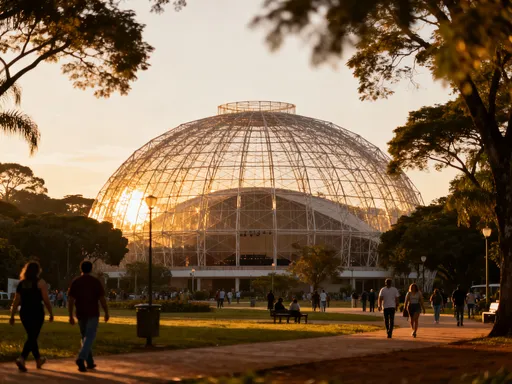
Nestled in the lush greenery of Água Verde Park, the Wire Opera House—Ópera de Arame—stands as one of Curitiba’s most iconic and beloved cultural venues. Built in the 1970s after a fire destroyed the original wooden theater, this open-air structure is crafted from steel tubing and translucent roofing, creating a delicate, cage-like appearance that gives the venue its name. Inspired by Italy’s La Scala but reimagined for the tropics, the Wire Opera House blends classical elegance with modern engineering. Its semi-transparent design allows natural light to filter through during the day and transforms the space into a glowing lantern at night, especially during performances illuminated by soft stage lighting.
The venue hosts a diverse program throughout the year, including symphony concerts, ballet performances, theatrical productions, and choral recitals. The acoustics, carefully engineered despite the open structure, deliver remarkable sound quality, making it a favorite among musicians and audiences alike. During the summer months, the city’s symphony orchestra often performs here, drawing thousands of locals who bring blankets, picnic baskets, and a deep appreciation for the arts. These events are more than concerts—they are community gatherings, where families spread out on the grass, children play between movements, and the boundary between performer and audience softens.
Surrounding the theater, Água Verde Park offers walking paths, lakes, and shaded benches, making it a perfect place to arrive early and enjoy the atmosphere. Many visitors combine a performance with a leisurely stroll or a quiet moment by the water. The park also features a small botanical garden and a children’s play area, enhancing its appeal as a family-friendly destination. For those unable to attend a live show, guided daytime tours are available, offering insights into the theater’s construction, history, and ongoing role in Curitiba’s cultural life. The Wire Opera House is not just a venue—it’s a symbol of resilience, creativity, and the enduring power of public art.
Cultural Exchange at Solar do Barão
Step into Solar do Barão, and you enter a space where history and modernity converge in quiet harmony. Housed in a beautifully restored 19th-century mansion in the Alto da XV neighborhood, this cultural center serves as a dynamic hub for visual arts and community engagement. The building itself tells a story—its colonial architecture, arched windows, and central courtyard evoke a bygone era, yet inside, the space pulses with contemporary energy. Exhibitions rotate regularly, showcasing works by emerging Brazilian artists, photography collectives, and multidisciplinary creators exploring themes of identity, memory, and social change.
What makes Solar do Barão truly special is its commitment to accessibility and inclusion. Admission is free, ensuring that art is not a privilege but a shared experience. The center also hosts workshops, artist talks, and educational programs tailored for schools and local residents. These initiatives foster dialogue and creativity across generations, turning the mansion into more than a gallery—it becomes a classroom, a meeting place, and a sanctuary for expression. Families often visit on weekends, where children participate in hands-on art activities while parents explore the current exhibition, creating a warm, welcoming atmosphere that feels distinctly personal.
The surrounding neighborhood enhances the experience, with tree-lined streets, small cafés, and a strong sense of community. Unlike more commercial districts, Alto da XV retains a residential charm, allowing visitors to engage with Curitiba as locals do. The preservation of Solar do Barão reflects a broader citywide ethos: that historical buildings should not be relics, but living spaces that serve the public good. By repurposing this mansion as a cultural venue, Curitiba honors its past while investing in its creative future. For travelers, a visit here offers a rare opportunity to witness culture not as spectacle, but as daily practice.
From Factory to Art Space: The Rise of Cultural Hubs
One of Curitiba’s most inspiring cultural transformations lies in its adaptive reuse of industrial spaces. Across the city, abandoned factories, tram depots, and warehouses have been reimagined as vibrant centers for art, performance, and community life. This shift reflects a sustainable vision—rather than demolishing old structures, the city breathes new purpose into them, preserving architectural heritage while fostering creativity. The result is a network of cultural hubs that feel authentic, grounded, and deeply connected to their neighborhoods.
Take, for example, Teatro Paiol, a former munitions storage facility from the early 20th century that now serves as a thriving theater and arts complex. Its thick concrete walls, once designed to contain explosions, now absorb the energy of live performances, from experimental plays to dance recitals. The space retains much of its original character—exposed beams, industrial lighting, and a sense of quiet strength—while incorporating modern amenities like seating, sound systems, and rehearsal rooms. Artists appreciate its raw aesthetic and acoustics, while audiences value its intimate atmosphere and affordable ticket prices.
Other examples include cultural complexes in renovated tram workshops and former bus depots, now housing galleries, music studios, and craft markets. These spaces often operate with city support but are managed by local collectives, ensuring that programming remains community-driven. They host everything from indie film screenings to artisan fairs, creating opportunities for creators to showcase their work and for residents to engage with culture in informal, approachable ways. This model of adaptive reuse not only reduces construction waste but also strengthens cultural sustainability by anchoring creativity in real neighborhoods, not isolated districts.
For visitors, exploring these repurposed sites offers a deeper understanding of Curitiba’s innovative spirit. Each venue tells a story of transformation—of how a city can honor its past while boldly reimagining its future. These spaces feel lived-in, authentic, and refreshingly free of commercial pretense. They are not designed to impress tourists but to serve citizens, which is precisely what makes them so compelling to experience.
Street Culture That Speaks Volumes
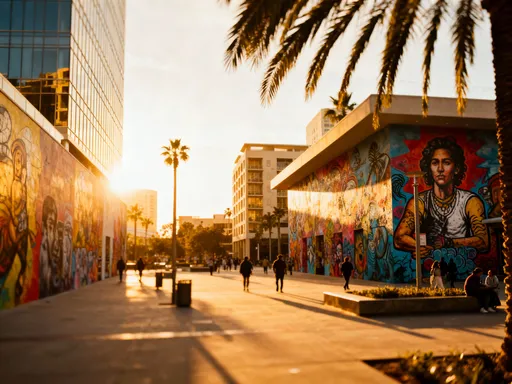
Beyond formal institutions, Curitiba’s culture truly comes alive on its streets. Here, art is not confined to galleries—it spills onto sidewalks, climbs building facades, and dances in pedestrian zones. The city embraces street culture as a vital form of expression, supporting murals, pop-up performances, and weekly cultural events that transform ordinary spaces into stages. This living culture is spontaneous, inclusive, and constantly evolving, offering visitors an unfiltered glimpse into the city’s creative heartbeat.
One of the most celebrated examples is Rua das Flores, or Flower Street, a pedestrian-only lane in the city center that comes alive every Sunday. On this day, the street closes to traffic and opens to artists, musicians, dancers, and artisans. Local bands play samba and MPB (Brazilian popular music), children learn capoeira in impromptu circles, and painters create works in real time. The air fills with the scent of street food—grilled cheese, tropical fruit, and freshly baked pastries—while shoppers browse handmade crafts and souvenirs. It’s a full sensory experience, one that feels joyful, communal, and authentically Brazilian.
Murals are another defining feature of Curitiba’s urban landscape. Throughout neighborhoods like Santa Felicidade and Centro Cívico, walls become canvases for large-scale artworks that reflect social themes, cultural pride, and environmental awareness. Many are created through city-sponsored programs that invite local and international artists to contribute, ensuring high quality and meaningful content. These murals are not tourist attractions in the traditional sense—they are part of daily life, admired by commuters, students, and residents alike. For visitors, walking through these neighborhoods becomes a self-guided art tour, where every corner offers a new visual surprise.
The city’s support for street culture extends to infrastructure: designated performance zones, public art grants, and festivals that celebrate urban creativity. This institutional backing ensures that street artists are not marginalized but recognized as essential contributors to the city’s cultural identity. In Curitiba, a violinist playing in a metro station or a dancer rehearsing in a plaza is not an anomaly—it’s part of the city’s rhythm. This normalization of public art creates a sense of ownership and pride, reinforcing the idea that culture belongs to everyone.
Planning Your Cultural Journey: Practical Tips for Visitors
Visiting Curitiba’s cultural venues is both convenient and rewarding, especially with a little planning. The city’s efficient public transportation system, particularly its Bus Rapid Transit (BRT) network, makes it easy to reach major sites without relying on taxis or rental cars. Most cultural venues are located along or near BRT corridors, with clear signage and frequent service. Purchasing a rechargeable transit card upon arrival allows for seamless travel and often includes discounted access to museums and events.
Timing your visit around major cultural festivals can greatly enrich the experience. The Curitiba International Festival, held biennially, transforms the city into a global stage for theater, dance, and music, featuring both Brazilian and international performers. During this time, even smaller venues host special programs, and the streets buzz with additional performances and installations. Other notable events include the Winter Festival, which brings classical music and cultural workshops to various neighborhoods, and the Street Art Festival, celebrating urban creativity with live painting and interactive exhibits.
To fully immerse yourself, pair museum visits with local experiences. After exploring the Oscar Niemeyer Museum, stop by a nearby café in Batel to enjoy a traditional Brazilian coffee and a slice of pão de queijo. In the evening, dine at a family-run restaurant in Santa Felicidade, known for its Italian-Brazilian cuisine, and listen to live acoustic music. These moments—simple, unplanned, and deeply local—are often the most memorable. They allow you to experience Curitiba not as a tourist, but as a temporary resident.
When planning your itinerary, consider grouping venues by neighborhood to minimize travel time. For example, visit Solar do Barão and nearby historical sites in Alto da XV in one outing, then dedicate another day to the cultural cluster around Água Verde Park, including the Wire Opera House and botanical gardens. Wear comfortable shoes, carry a reusable water bottle, and allow time to linger—Curitiba rewards slow exploration. Most importantly, approach your visit with openness and curiosity. This is a city that reveals its depth gradually, through quiet moments as much as grand spectacles.
Conclusion: Curitiba’s Quiet Revolution
Curitiba’s cultural venues represent more than a collection of museums and theaters—they are manifestations of a quiet revolution in urban living. This is a city that proves culture doesn’t need to be loud, commercial, or tourist-driven to be powerful. Instead, it thrives in repurposed factories, open-air parks, and historic mansions reborn as community spaces. It lives in Sunday street fairs, in murals that tell stories, and in the daily lives of residents who see art as essential, not optional.
What makes Curitiba truly remarkable is its consistency—its long-term commitment to integrating culture into the very structure of the city. There are no grand gestures for international audiences, no performative displays of heritage. Instead, there is a steady, thoughtful investment in spaces and programs that serve people. This human-centered approach creates an environment where creativity flourishes not because it is celebrated, but because it is normalized.
For travelers, Curitiba offers a refreshing alternative to the usual tourist circuit. It invites you to slow down, observe, and participate—not as a spectator, but as a temporary member of the community. In doing so, it redefines what meaningful travel can be: not about checking landmarks off a list, but about connecting with a place on a deeper, more authentic level. Curitiba doesn’t just change how you see Brazil—it changes how you see the role of culture in shaping cities and lives. It’s not just a destination. It’s a mindset worth carrying home.