You Won’t Believe These Hidden Spots at Inle Lake
Nestled in the misty highlands of Myanmar, Inle Lake is more than just a travel destination—it’s a living canvas of floating gardens, stilted villages, and serene waters that glow at sunrise. I’ve never seen anything quite like it: where everyday life unfolds on water, and every paddle stroke reveals something quietly magical. If you're chasing moments that stop your scroll, this is it—authentic, peaceful, and utterly Instagram-worthy. More than a scenic escape, Inle offers a rare window into a way of life shaped by harmony with nature, sustained by generations of the Intha people. It’s a place where stillness speaks louder than noise, and beauty reveals itself in the rhythm of daily routines.
The Magic of Inle Lake: More Than Just a Pretty View
Inle Lake lies at an elevation of about 900 meters in the Shan State of Myanmar, cradled by the rolling hills of the Shan Plateau. At nearly 22 kilometers long and 10 kilometers wide, it’s the second-largest natural lake in the country, but its true distinction lies not in size—it’s in the way life here floats. Unlike typical lakeside communities, the residents of Inle have adapted to the fluctuating water levels by building homes, temples, and farms on wooden stilts or directly on the water’s surface. This unique relationship between people and environment has created a cultural landscape unlike any other in Southeast Asia.
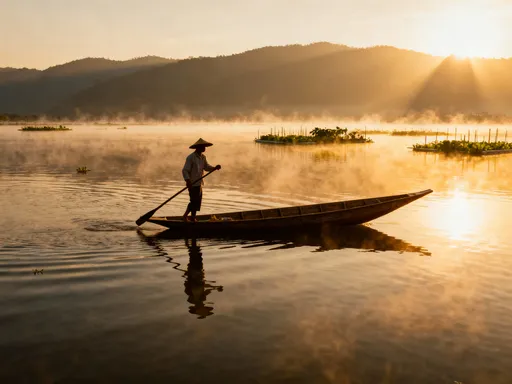
The Intha people, whose name means 'sons of the lake,' are renowned for their distinctive leg-rowing technique. Balancing upright in narrow wooden canoes, they wrap one leg around the oar while using the other to propel the boat forward. This method, developed out of necessity in the shallow, reed-choked waters, has become a symbol of resilience and grace. Watching a fisherman glide across the morning mist, silhouetted against the soft light, is not a staged performance—it’s a glimpse into a centuries-old way of life that remains vibrant today.
Beyond culture, the lake supports rich biodiversity. It is home to over 20 species of fish found nowhere else on Earth, including the endangered Inle carp. The surrounding wetlands provide habitat for migratory birds, kingfishers, and egrets, making it a quiet haven for nature lovers. The floating gardens, made from layers of lakebed vegetation and soil, are both an agricultural marvel and a visual delight. These buoyant plots, carefully anchored and rotated for nutrients, grow everything from tomatoes to cucumbers, blooming like emerald islands across the water. This seamless blend of human ingenuity and natural abundance is what makes Inle Lake not just picturesque, but profoundly meaningful.
Sunrise Over the Water: A Moment You Can’t Miss
There is a hush that falls over Inle Lake in the early hours—a stillness so complete it feels sacred. As dawn approaches, the first light creeps over the eastern ridge of the Shan Hills, painting the sky in soft strokes of peach and lavender. The surface of the lake, smooth as glass, begins to shimmer, reflecting the silhouettes of boats and stilt houses like a dream. This is the golden hour at Inle, and it is nothing short of transformative.
For photographers and mindful travelers alike, sunrise is the most rewarding time to be on the water. The low-angle sunlight enhances textures—the grain of wooden boats, the ripples from a passing paddle, the delicate weave of lotus leaves. Mist often lingers in patches, curling around the bases of stilted homes and dissolving as the sun climbs higher. Fishermen appear in the distance, already at work, their leg-powered canoes cutting quiet paths through the fog. These are not fleeting moments; they are daily rituals, repeated with quiet dignity.
To experience this magic fully, it’s best to set out by boat just before 6 a.m. Many guesthouses and tour operators offer early morning excursions, often including a thermos of hot green tea and a light snack. The ideal vantage points are along the quieter southern stretches of the lake, away from the main channels. Areas near the village of Sone Pin or along the edge of the floating gardens offer unobstructed views and fewer crowds. For those seeking solitude, a private boat with a local guide allows for a more personalized route, stopping wherever the light is best.
While it’s tempting to capture every second, the real gift of sunrise at Inle is presence. Instead of rushing to frame the perfect shot, consider pausing—just breathing, watching, absorbing. The lake teaches a slower rhythm, one that rewards patience. When you do photograph, let the images reflect not just beauty, but stillness. A single fisherman in silhouette, a boat’s reflection breaking into ripples, the first ray of sun hitting a temple roof—these are the moments that endure long after the trip ends.
Floating Gardens and Local Life: Nature Meets Culture
One of the most remarkable features of Inle Lake is its floating gardens—man-made plots of fertile soil that rise from the water like green rafts. Built over decades, these gardens begin with bundles of lakebed weeds called “phumdi,” which are anchored to the lake floor with bamboo poles. Over time, layers of decaying vegetation and soil are added, creating a rich, buoyant growing medium. These plots can be as small as a few square meters or stretch into expansive fields, interconnected by narrow canals.
Here, farmers grow a variety of crops, most notably tomatoes, which thrive in the nutrient-rich environment. Bright red clusters dangle above the water, while beans, cucumbers, gourds, and even flowers flourish in this unique ecosystem. The gardens are not just productive—they are visually striking, especially when viewed from a boat. The contrast of deep green foliage against the shimmering blue water creates a living mosaic, constantly shifting with the breeze and the tides.
Visiting the floating gardens offers more than just photo opportunities; it’s a chance to witness sustainable agriculture in action. Unlike industrial farming, this method requires no synthetic fertilizers or heavy machinery. Instead, it relies on natural decomposition, seasonal rotation, and careful tending. Travelers can approach the edges of the gardens quietly, observing without disturbing, or even arrange a brief visit with a local farmer through a responsible tour operator. These interactions, when done respectfully, can be deeply enriching—offering insight into a lifestyle rooted in patience and care.
For those seeking a deeper connection, several eco-lodges and homestays are located near the garden zones. These accommodations, often run by local families, provide simple but comfortable stays with lake views, home-cooked meals, and opportunities to learn traditional skills. Whether it’s helping to harvest tomatoes, learning to weave reeds, or sharing a meal on a wooden platform above the water, these experiences foster genuine cultural exchange. They remind us that travel at its best is not about consumption, but about connection.
Stilted Villages: Where Time Moves Slower
Scattered across Inle Lake are villages built entirely on wooden stilts, rising above the water like quiet fortresses of daily life. Nampan, one of the most accessible, offers a glimpse into the intimate rhythms of lake-dwelling communities. Narrow wooden walkways connect homes elevated on tall posts, with boats tied beneath like cars in a driveway. Children play on the docks, elders mend fishing nets, and chickens scuttle across planks—all against a backdrop of endless water and distant hills.
Further north, the village of Indein presents a different kind of beauty. Known for its ancient pagoda complex, it also features traditional stilt houses that blend into the forested shoreline. Wandering through these villages feels like stepping into a different era. There are no traffic sounds, no neon signs—just the creak of wood, the lap of water, and the occasional call from a vendor paddling by with fresh fruit. These are places where life unfolds at human scale, where routines are shaped by tides and seasons rather than clocks and calendars.
For visitors, exploring these communities offers rich opportunities for candid photography and quiet observation. A woman stirring a pot over a wood fire, a man carving a boat paddle, a child peering over the edge of a dock—these moments capture the essence of Inle without intrusion. However, ethical awareness is essential. Always ask permission before photographing people, especially in private spaces. A simple smile and gesture can go a long way. Dress modestly, removing shoes when entering homes or temples, and move slowly, allowing life to unfold around you.
The most powerful images often come from stillness. Instead of chasing action, try waiting—letting a scene reveal itself. A fisherman returning at dusk, a monk walking the boardwalk at dawn, a family sharing tea under a thatched roof—these are the quiet stories that define Inle. By honoring the pace and privacy of the people here, travelers not only gain deeper experiences but also contribute to a form of tourism that respects, rather than disrupts, the culture.
Hidden Teahouses and Waterside Cafés: Slow Living at Its Best
Amid the stillness of Inle Lake, small teahouses and cafés serve as oases of calm and connection. These are not commercialized spaces, but simple wooden platforms extending over the water, shaded by thatch or canvas. Run by local families, they offer basic but nourishing fare: steaming cups of green tea, bowls of Shan noodles in savory broth, freshly brewed coffee, and sweet mango shakes. The menu is humble, but the setting is extraordinary—views of the lake stretching to the horizon, boats drifting by, birds calling from the reeds.
One of the most cherished experiences is finding a quiet teahouse in the late afternoon, when the sun begins to soften and the air cools. Sitting on a low wooden stool, sipping tea while watching the light dance on the water, creates a profound sense of peace. There are no Wi-Fi signals, no loud music—just the rhythm of the lake. This is slow living in its purest form, a digital detox that feels natural rather than forced.
These waterside spots are ideal for reflection, journaling, or sketching. Many travelers bring notebooks or cameras, using the stillness to process their journey. Others simply sit, breathing deeply, letting the tranquility sink in. For content creators, these moments offer authentic material—images of steam rising from a teacup, hands holding a bowl of noodles, reflections of clouds on a still surface. The beauty here is in the ordinary, elevated by context.
Supporting these small businesses is also a form of sustainable tourism. Every cup of tea purchased contributes directly to a local family. Unlike chain restaurants or tourist-centric markets, these cafés operate on modest margins and rely on genuine hospitality. By choosing to spend time—and money—here, travelers help preserve the authentic character of Inle. It’s a small act, but one that aligns with a deeper travel ethic: to leave not just footprints, but gratitude.
Boat Trips Done Right: Choosing Your Journey
No visit to Inle Lake is complete without a boat tour, but not all tours are created equal. The most common option is the shared shuttle boat, which follows a fixed route between major villages and markets. While economical, these boats can be crowded and inflexible, with frequent stops and limited time at quieter sites. For travelers seeking a more personal experience, a private long-tail boat with a licensed local guide is the better choice.
Private tours offer flexibility in timing, route, and pace. You can request to visit lesser-known floating gardens, stop at secluded teahouses, or spend extra time photographing sunrise without rushing. A knowledgeable guide enhances the journey, sharing insights about local customs, pointing out bird species, and explaining agricultural practices. Many guides are members of the Intha community, and hiring them supports the local economy directly.
When booking, it’s important to choose operators who prioritize sustainability. Look for those affiliated with community-based tourism initiatives or eco-certified lodges. Avoid companies that encourage disruptive behavior, such as loud music on boats or pressuring villagers for photos. A responsible tour respects both the environment and the people, minimizing waste and noise while maximizing cultural sensitivity.
Consider crafting a personalized itinerary that balances popular sites with hidden gems. Instead of spending the entire day at the bustling floating market, allocate time for quieter areas like the western channels near Kyauk Ta Le or the northern reaches near Indein. These zones offer solitude, unspoiled scenery, and a chance to experience the lake as locals do. By traveling thoughtfully, you not only enrich your own journey but also help protect the delicate ecosystem and culture of Inle for future generations.
Capturing the Moment: Tips for Authentic, Instagram-Worthy Content
In an age of curated feeds and filtered realities, Inle Lake offers something rare: authenticity. The most compelling content from this destination doesn’t come from staged poses or trendy filters—it emerges from presence, observation, and respect. Whether you’re a seasoned photographer or an amateur with a smartphone, the key is to focus on storytelling, not just aesthetics.
Start with light. The best natural illumination occurs during the first hour after sunrise and the last hour before sunset. During these times, shadows are soft, colors are rich, and the water acts as a mirror. Position yourself to capture reflections—of boats, clouds, or stilt houses—for a dreamlike effect. Avoid using flash, which can disrupt the natural mood and disturb both people and wildlife.
Next, look for details. A close-up of weathered hands gripping an oar, the texture of woven reeds on a roof, the pattern of ripples behind a moving boat—these elements add depth and intimacy to your visuals. Instead of always shooting wide landscapes, zoom in on the small moments that reveal character. A child’s smile, a monk’s robe fluttering in the breeze, a basket of fresh vegetables on a canoe—these are the images that resonate.
When photographing people, prioritize consent and dignity. A quick nod or hand gesture can signal your intent. If someone declines, respect their choice without argument. The most powerful portraits often come from connection, not capture—spending time, sharing a smile, waiting for the moment when the subject feels at ease. These images feel alive because they are built on trust.
Finally, use captions to add context. Instead of generic phrases like “paradise found,” share what you learned: the name of a village, the meaning of a tradition, the name of your guide. This transforms a beautiful image into a meaningful story. When you post, do so with humility and gratitude, acknowledging that you are a guest in someone else’s home. In doing so, your content becomes not just attractive, but honorable.
Conclusion
Inle Lake isn’t about ticking boxes or chasing trends—it’s about presence. The most beautiful moments happen when you put the phone down and just be. Yet, when you do share, let it reflect truth: a place where life floats gently, where culture thrives quietly, and where every frame tells a story worth seeing. This is travel with soul—and content that truly matters. By choosing to engage mindfully, support local communities, and honor the rhythms of the lake, you become part of a legacy of respect and wonder. Inle doesn’t need reinvention; it only asks for attention, given with care. And in return, it offers something increasingly rare: peace that feels earned, beauty that feels real, and memories that last not because they were perfect, but because they were true.