You Won’t Believe These Hidden Commercial Gems in Manchester
Manchester isn’t just about football and rain—trust me, I was surprised too. Beyond the crowded streets of the Arndale and the famous curry mile, there’s a whole side of the city where locals shop, eat, and hang out away from the tourist radar. Think independent boutiques, buzzing market halls, and creative hubs tucked into unassuming corners. If you're looking for authentic vibes and unique finds, these off-the-beaten-path commercial spots are absolute gold. They reflect a city that values individuality, craftsmanship, and community. This is not the Manchester of postcards or travel brochures; it’s the one that hums with quiet creativity, where every alleyway might lead to a handmade jewelry stall or a coffee shop roasting beans on-site. For travelers who crave connection over convenience, these hidden gems offer a richer, more personal experience.
The Rise of Manchester’s Alternative Commercial Scene
Manchester’s transformation from an industrial powerhouse to a cultural and commercial innovator is one of the most remarkable urban evolutions in modern British history. Once known for its cotton mills and manufacturing might, the city has reinvented itself as a thriving center for independent enterprise. This shift did not happen overnight. It emerged from a combination of economic necessity, creative resilience, and a strong sense of local identity. As traditional industries declined in the late 20th century, Manchester’s residents turned to grassroots initiatives, repurposing old warehouses and neglected buildings into studios, cafes, and small retail spaces. The city’s youthful population, bolstered by its universities and vibrant arts scene, played a crucial role in driving demand for alternative lifestyles and non-mainstream shopping experiences.
Urban regeneration projects, particularly in areas like Ancoats and the Northern Quarter, provided the infrastructure for this new economy to flourish. Local councils and community organizations supported small businesses through grants, low-cost rentals, and business incubation programs. At the same time, a growing skepticism toward globalized retail chains created space for independent vendors to thrive. Shoppers began to value authenticity, sustainability, and personal connection—qualities that boutique stores and artisan markets could offer in ways that supermarkets and shopping malls could not. The rise of digital platforms also helped. Social media allowed small businesses to build loyal followings, promote pop-up events, and reach customers beyond their immediate neighborhoods.
Today, Manchester’s alternative commercial scene is not a fringe movement—it is central to the city’s identity. It reflects a broader national trend toward conscious consumerism, but with a distinctly Mancunian flavor. The city’s industrial past continues to influence its aesthetic: exposed brick, steel beams, and repurposed signage are common features in shops and cafes. Yet this is not nostalgia for nostalgia’s sake. It is a living, evolving culture that honors the past while embracing innovation. Whether it’s a vinyl record store in a converted mill or a zero-waste grocery in a former factory, Manchester’s independent spaces are testaments to the power of local enterprise and community vision.
Northern Quarter: More Than Just Street Art
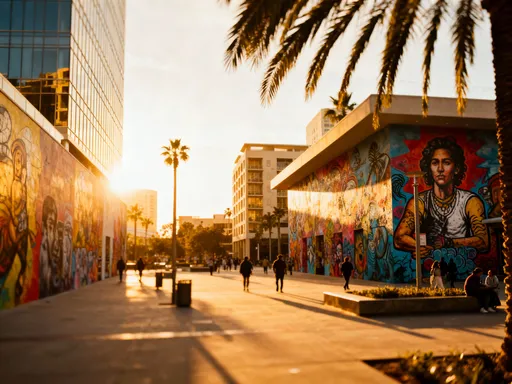
The Northern Quarter stands as the beating heart of Manchester’s alternative commercial landscape. Known internationally for its bold street art and underground music culture, this neighborhood offers far more than visual spectacle. It is a fully functioning ecosystem of independent retail, where creativity and commerce coexist seamlessly. Walking through its streets feels like stepping into a living magazine of urban culture—every storefront tells a story, every alleyway hides a new discovery. Oldham Street, arguably the main artery of the area, is lined with vintage clothing boutiques, independent bookshops, and record stores that cater to audiophiles and casual listeners alike. Dale Street, quieter but equally rich in character, hosts design studios, print shops, and specialty coffee bars that attract freelancers and creatives from across the city.
What sets the Northern Quarter apart is its refusal to conform. Unlike sanitized shopping districts designed for mass appeal, this area embraces imperfection and individuality. You’ll find stores selling retro video games next to shops offering hand-stitched leather goods, or a kombucha bar tucked beside a screen-printing workshop. The lack of chain stores is intentional—many landlords prioritize independent tenants, preserving the area’s unique character. This commitment to local business fosters a sense of ownership among residents and visitors alike. People don’t just come here to shop; they come to participate in a culture that values originality and self-expression.
The neighborhood’s creative energy is also sustained by its role as a hub for artists, musicians, and designers. Many shops double as galleries or performance spaces, hosting live music, art exhibitions, or craft fairs on weekends. This integration of commerce and culture makes shopping feel less like a transaction and more like an experience. It’s not unusual to strike up a conversation with a shop owner who is also a practicing artist or to attend a pop-up event where you can watch a product being made in real time. The Northern Quarter doesn’t just sell goods—it sells stories, connections, and a sense of belonging. For visitors seeking authenticity, this is where Manchester feels most alive.
Afflecks: A Quirky Wonderland You Can’t Miss
No exploration of Manchester’s underground commerce would be complete without a visit to Afflecks Palace. Nestled in the heart of the Northern Quarter, this multi-level shopping arcade is a cultural institution. More than just a mall, Afflecks is a living museum of counterculture, creativity, and individuality. Its maze-like layout—filled with narrow staircases, hidden corners, and unexpected turns—mirrors the experience of exploring the city itself. Each floor offers a new world: the ground level buzzes with streetwear, accessories, and alternative fashion; the upper floors reveal handmade jewelry, occult-themed merchandise, vintage toys, and DIY craft supplies. What makes Afflecks truly special is its commitment to supporting small-scale entrepreneurs and niche subcultures.
Every stall is independently operated, often by young designers, artists, or hobbyists turning passion into livelihood. You won’t find corporate branding or mass-produced items here. Instead, the focus is on unique, one-of-a-kind pieces—custom-painted sneakers, hand-beaded chokers, upcycled denim jackets. The vendors are not just salespeople; they are curators of identity, helping customers express themselves in ways that mainstream fashion rarely allows. This emphasis on personalization and self-expression has made Afflecks a sanctuary for goths, punks, cosplayers, and anyone who feels underserved by conventional retail.
Despite its eclectic nature, Afflecks maintains a welcoming and inclusive atmosphere. It doesn’t feel like a tourist trap or a performative space. The energy is genuine, fueled by real community and mutual respect among vendors and visitors. Many shoppers return week after week, not just to buy but to connect—with friends, with creators, with the pulse of the city. The space also hosts regular events, from live DJ sets to craft workshops, reinforcing its role as a cultural hub. For families, it’s a place of wonder; for teenagers, a space of rebellion and discovery; for adults, a nostalgic reminder of youth culture. Afflecks is not just a shopping destination—it’s a social experience, a celebration of difference, and a testament to the enduring power of small businesses.
The Hidden Markets: From Curry Square to Mutha’s Pop-Ups
While Manchester’s indoor malls and boutique districts attract plenty of attention, some of its most vibrant commercial activity happens in its markets—dynamic, sensory-rich spaces where food, shopping, and community converge. One of the most underrated is Curry Square in Rusholme. Far from a tourist gimmick, this stretch of Wilmslow Road is a culinary and cultural landmark. Lined with South Asian restaurants, sweet shops, and spice vendors, it offers an immersive experience long before you take your first bite. The air is thick with the aroma of cumin, cardamom, and sizzling kebabs. Brightly colored fabrics hang in shop windows, and the sound of Urdu, Punjabi, and English blends in a lively street chorus. Here, commerce is not just about transactions—it’s about tradition, family, and flavor.
But the market scene in Manchester extends beyond permanent fixtures. Pop-up markets have become a cornerstone of the city’s alternative economy, offering rotating spaces for emerging designers, bakers, and artisans. One standout example is Mutha’s Country Hoopers, a female-led collective that hosts seasonal markets featuring handmade crafts, vintage clothing, and plant-based food. These events are more than shopping opportunities—they are community gatherings. Held in repurposed warehouses or community centers, they create temporary economies rooted in mutual support and shared values. Visitors often come for the goods but stay for the music, the conversations, and the sense of being part of something meaningful.
What makes these markets so vital is their accessibility and inclusivity. Unlike high-end boutiques, they offer affordable options and encourage haggling, bartering, or simply chatting with the seller. They are spaces where people from different backgrounds interact naturally, united by a love of good food, unique finds, and human connection. For families, they provide a relaxed, engaging environment where children can explore safely and adults can unwind. For solo visitors, they offer warmth and spontaneity. By supporting these markets, shoppers contribute directly to local livelihoods and help sustain a model of commerce that prioritizes people over profit. In a world increasingly dominated by online shopping and automation, Manchester’s markets are a refreshing reminder of the human touch.
Ancoats: The Quiet Revolution in Retail
If the Northern Quarter is Manchester’s creative nucleus, Ancoats is its quiet innovator. Once a hub of textile mills and industrial labor, this riverside neighborhood has undergone a subtle but profound transformation. Unlike areas that have been overtaken by flashy developments, Ancoats has retained a sense of intimacy and authenticity. Its regeneration has been deliberate, focusing on quality over quantity. Independent coffee roasters, artisan bakeries, and concept stores now occupy restored brick warehouses, their large windows inviting passersby to step inside. The pace here is slower, the design more thoughtful—this is retail as an extension of lifestyle, not just consumption.
Hatch, a boutique food and drink hall housed in a former textile mill, exemplifies this new era. It brings together small vendors under one roof—think sourdough pizza, craft beer, vegan doughnuts, and specialty coffee—while preserving the building’s historic character. Exposed beams, original flooring, and industrial lighting create an atmosphere that feels both modern and timeless. More than just a place to eat, Hatch functions as a community hub. Families gather on weekends, remote workers settle in with laptops during the week, and friends meet for evening drinks. The vendors, many of whom started as pop-ups, have grown into established brands, proving that small-scale operations can thrive with the right support.
Ancoats’ retail scene is walkable and human-scaled. Streets like Cutting Room Square and Blossom Street are lined with independent boutiques offering curated selections—local ceramics, sustainable clothing, handmade candles. There are no billboards or chain stores to disrupt the rhythm. This intentional minimalism makes shopping feel like discovery rather than obligation. The neighborhood’s mix of old and new—heritage buildings alongside contemporary design—creates a visual narrative of continuity and renewal. For visitors, Ancoats offers a different kind of urban experience: one that values slowness, craftsmanship, and connection. It’s not about buying more; it’s about choosing well, supporting local makers, and enjoying the process.
Beyond the City Centre: Local High Streets Worth Exploring
To truly understand Manchester’s commercial soul, one must venture beyond the city center. Neighborhoods like Chorlton, Withington, and Didsbury offer a glimpse into how Mancunians live, shop, and socialize in their daily lives. Each has its own high street—a mix of independent businesses that reflect the character of the community. Chorlton, for instance, is known for its eco-conscious ethos. Its main road is dotted with zero-waste shops, vegetarian cafes, and second-hand clothing stores. The atmosphere is relaxed, neighborly, and deeply rooted in sustainability. Withington, once a quiet suburb, has emerged as a hotspot for young professionals and creatives. Its high street features independent bookshops, vinyl stores, and bakeries that use locally sourced ingredients. Didsbury, slightly more upscale, balances boutique fashion with family-friendly amenities, from toy stores to organic grocers.
What unites these areas is their resistance to homogenization. Despite pressure from national chains, local business associations and resident groups have worked to preserve the uniqueness of their high streets. Many shop owners know their customers by name, creating a sense of familiarity that big-box retailers cannot replicate. These neighborhoods are also well-connected by public transport, making them accessible without requiring a car. Buses run frequently, and cycling routes are expanding, encouraging sustainable travel. For visitors, exploring these areas offers a more grounded experience of Manchester—one that isn’t shaped by tourism but by real life.
Walking through these high streets feels like stepping into a different version of the city. There are no crowds, no souvenir shops, no long queues. Instead, there are conversations over coffee, children choosing fresh fruit at corner stores, and neighbors catching up outside florists. The retail here is not performative; it’s functional, personal, and community-driven. By supporting these businesses, visitors contribute to the economic resilience of neighborhoods that value independence and local identity. These high streets may not make it onto postcards, but they are where Manchester’s heart truly beats.
How to Experience Manchester’s Underground Commerce Like a Local
Experiencing Manchester’s hidden commercial gems requires a shift in mindset—from tourist to explorer. The first step is timing. Weekdays, especially mid-morning or early afternoon, are ideal for visiting markets and independent shops. This is when the crowds are thinner, and owners have more time to chat. Saturdays are livelier, perfect for pop-up events and food markets, but require a more flexible schedule. Following local social media accounts—such as @ManchesterEats, @IndieMCR, or neighborhood-specific pages—can help you stay updated on temporary events, new openings, or seasonal markets. Many vendors announce flash sales or limited-edition drops online, so a little digital sleuthing pays off.
Transportation is another key factor. While the city center is easily walkable, exploring outer neighborhoods is best done via Manchester’s reliable bus network or the Metrolink tram system. Cycling is also a popular option, with dedicated lanes and rental stations throughout the city. Apps like Citymapper or Google Maps make navigation simple, even for first-time visitors. When shopping, consider carrying cash for smaller vendors, though most now accept contactless payments. More importantly, bring curiosity. Don’t be afraid to step into a shop that looks unassuming from the outside—some of the best finds are hidden behind plain facades.
Engaging with shop owners can transform a simple purchase into a meaningful interaction. Ask about the origins of a product, the story behind a brand, or recommendations for other local spots. Many artisans are passionate about their work and happy to share. This human connection is at the core of Manchester’s underground commerce. Finally, embrace spontaneity. Some of the most memorable experiences—like stumbling upon a live acoustic set in a coffee shop or finding a handmade soap maker at a weekend market—happen by accident. By slowing down, staying present, and stepping off the main routes, you open yourself to the authentic rhythms of the city. This is not just shopping; it’s a form of cultural immersion.
Manchester’s true commercial soul doesn’t live in chain stores or shopping malls—it pulses in hidden corners, independent stalls, and neighborhood markets where creativity meets community. These offbeat spaces offer more than souvenirs; they tell stories of resilience, identity, and innovation. By venturing beyond the obvious, travelers don’t just shop—they connect. So next time you’re in Manchester, skip the crowds and follow the local buzz. The city’s best-kept secrets are waiting, quietly thriving, just around the corner.