You Won’t Believe What I Ate in Akureyri
When I landed in Akureyri, I wasn’t expecting much—just a quiet town above the Arctic Circle. But then I tasted their local lamb, slow-cooked with wild herbs, and everything changed. This hidden food scene blends tradition and terroir in ways that feel almost magical. From fresh Arctic char to rye bread baked with geothermal heat, every bite tells a story of resilience and flavor. Nestled along the shores of Eyjafjörður, Iceland’s longest fjord, Akureyri offers more than scenic vistas—it delivers a culinary journey shaped by isolation, innovation, and deep respect for nature. What unfolds here is not just a meal, but a quiet celebration of how food can reflect identity, history, and place.
Arrival in the Arctic Garden
Akureyri may be Iceland’s second-largest urban center, but it feels like a well-kept secret. Often called the “capital of the north,” this compact town lies just 60 miles south of the Arctic Circle, where the midnight sun glows for weeks each summer and winter nights stretch long and quiet. Despite its northern latitude, Akureyri enjoys a surprisingly mild microclimate, thanks to the warming influence of the North Atlantic Current. This allows for a growing season that supports hardy vegetables, fragrant herbs, and even a few fruit-bearing plants—luxuries in most Arctic regions.
The town’s charm unfolds in pastel-colored houses with corrugated metal roofs, winding streets lined with birch trees, and a central park that bursts into bloom each June with tulips and daffodils. At its heart stands the modern Lutheran church, a striking white spire visible from nearly every corner. But beyond postcard views, Akureyri’s isolation has nurtured a food culture rooted in self-reliance and seasonality. With limited access to imported goods, locals have turned necessity into artistry, crafting dishes that honor the land and sea around them.
Unlike Reykjavík, where international influences dominate menus, Akureyri’s cuisine remains deeply regional. Restaurants here don’t chase trends—they reflect rhythms of nature. Fishermen deliver catches within hours of harvest. Farmers bring lamb raised on open highland pastures. Bakeries rely on geothermal energy to bake bread underground. For travelers seeking authenticity, Akureyri offers a rare chance to taste Iceland as it has been for generations—simple, honest, and profoundly flavorful.
The Taste of Icelandic Lamb
No discussion of Akureyri’s food scene is complete without mentioning its lamb. Renowned across Iceland for its tenderness and clean taste, this meat is a product of pure air, glacial water, and nutrient-rich grasses. In the summer months, sheep roam freely across the highlands, grazing on wild thyme, angelica, and moss—plants that subtly infuse the meat with earthy, herbal notes. Raised without antibiotics or growth hormones, these animals live naturally, contributing to a product that is as ethical as it is delicious.
A visit to a family-run farm just outside Akureyri reveals the care behind every cut. One farmer, dressed in a woolen sweater and mud-streaked boots, explains how lamb has been central to Icelandic life for over a thousand years. “We don’t just raise sheep,” he says. “We coexist with them.” In autumn, the annual *réttir*—a centuries-old tradition—brings communities together to round up free-roaming sheep. The event is both practical and ceremonial, marking the end of summer and the beginning of preservation.
In Akureyri’s cozy restaurants, lamb appears in many forms. At a warmly lit bistro near the harbor, a chef slow-roasts leg of lamb with juniper berries and fresh thyme, serving it alongside roasted root vegetables and a drizzle of reduced lamb jus. The meat falls apart at the touch of a fork, its flavor rich yet delicate. Equally iconic is *hangikjöt*, smoked lamb traditionally prepared over birch wood. This dish, often served cold with boiled potatoes and creamy mashed peas, is a staple during winter holidays and family gatherings.
What makes Akureyri’s lamb exceptional is not just its quality, but the cultural reverence surrounding it. Eating it here feels less like dining and more like participating in a living tradition—one that honors the land, the animals, and the people who tend them.
From Ocean to Plate: Fresh Seafood in the Fjord
The waters surrounding Akureyri are among the cleanest and coldest in the world, fed by Arctic currents that carry nutrients and oxygen in abundance. This marine environment supports a wealth of seafood, including Arctic char, cod, halibut, and langoustines—each prized for its freshness and natural sweetness. Because fishing remains a cornerstone of Iceland’s economy, strict sustainability regulations ensure that stocks are protected and ecosystems preserved.
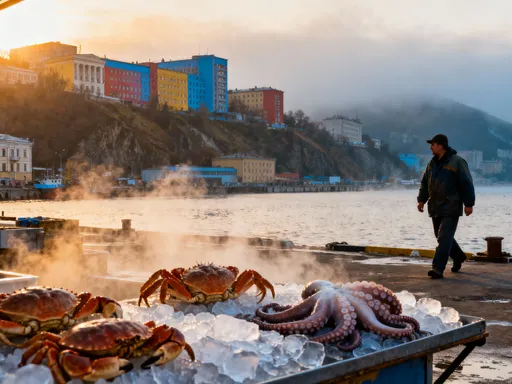
At the Akureyri harbor each morning, small fishing boats return with glistening catches hauled from deep fjords. At a dockside fishmonger, a vendor arranges fillets on ice, their pink hues indicating the premium quality of Arctic char. “This was in the water six hours ago,” she says with pride. The fish, a cold-water relative of salmon, has a firmer texture and a more delicate flavor, often described as buttery with a hint of nuttiness.
In a nearby bistro, a chef prepares a simple yet exquisite dish: pan-seared Arctic char with a lemon-caper sauce and a side of wild sorrel. The skin crisps perfectly, while the flesh remains moist and flaky. Minimal seasoning is used—just salt, pepper, and fresh herbs—to allow the fish’s natural flavor to shine. Another popular preparation is langoustine salad, featuring sweet, tender tails tossed with dill, red onion, and a touch of sour cream. Served with dense rye bread, it’s a favorite among locals and visitors alike.
Iceland’s commitment to sustainable fishing is evident in every aspect of the seafood industry. Quotas are scientifically determined, bycatch is minimized, and nearly every part of the fish is utilized. This respect for resources extends to the kitchen, where waste is rare and creativity is high. To eat seafood in Akureyri is to experience the ocean at its purest—untouched, unadulterated, and profoundly delicious.
Rye Bread, Geothermal Heat, and Sweet Traditions
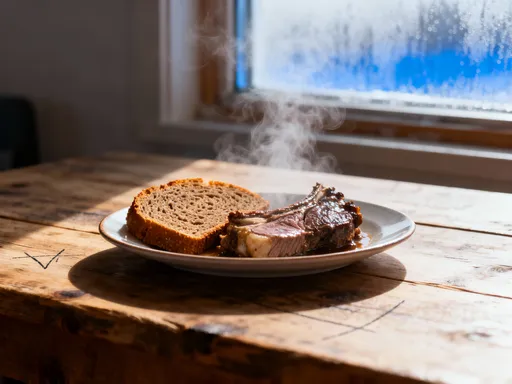
One of the most unique culinary experiences in Akureyri is tasting *rúgbrauð*, a dense, dark rye bread with a slightly sweet, malty flavor. What sets it apart is not just the recipe, but the method: traditionally, the bread is baked underground using the earth’s geothermal heat. In a practice dating back centuries, dough is sealed in a pot and buried near a natural hot spring, where it steams slowly for 12 to 24 hours. The result is a moist, almost cake-like loaf with a deep caramel color and a rich, complex taste.
At a farm on the outskirts of town, a local baker demonstrates the process. She lowers a cast-iron pot into a shallow trench near a bubbling thermal stream, covers it with soil, and marks the spot with a wooden stake. “No oven, no electricity,” she says with a smile. “Just nature’s oven.” When retrieved the next day, the bread is warm and fragrant, its crust soft from steam. Sliced thick and served with salted butter and smoked salmon, it’s a revelation—a humble food elevated by tradition and ingenuity.
Sweet treats also hold a special place in Akureyri’s food culture. *Kleinur*, twisted doughnuts made from a yeasted dough and deep-fried until golden, are a weekend staple. Often flavored with cardamom or vanilla, they’re best enjoyed fresh from the fryer with a cup of coffee. Equally beloved is *skyr*, a thick, protein-rich dairy product similar to yogurt. Locals eat it daily, often topped with wild bilberries picked during summer hikes. These small, tart berries grow in abundance across the highlands and are rich in antioxidants, adding both flavor and nutrition to the diet.
These traditions reflect a deeper philosophy: that food should be nourishing, seasonal, and connected to the land. In Akureyri, even the simplest ingredients carry stories—of volcanic heat, of long winters, of generations learning to make the most of what nature provides.
Hidden Cafés and the Coffee Culture
While Akureyri may be small, its café culture is anything but. Scattered along Hafnarstræti and near the harbor, a collection of independent coffee shops offers more than just caffeine—they serve as community anchors, creative spaces, and quiet refuges. Icelanders are among the world’s top coffee consumers, and in Akureyri, that passion is evident in the care baristas take with every pour.
At a cozy café near the church, a barista grinds single-origin beans from Ethiopia, adjusting the water temperature and extraction time with precision. The resulting pour-over is floral and bright, a perfect complement to a slice of homemade cardamom cake. Shelves display local art for sale, and a chalkboard lists daily specials written in neat cursive. Customers linger over books, laptops, or quiet conversations, savoring the slow rhythm of northern life.
Another favorite, tucked between a bookstore and a flower shop, specializes in house-made pastries and artisanal hot chocolate. Here, croissants are flaky and buttery, filled with seasonal jams made from rhubarb or crowberries. The hot chocolate is rich and velvety, topped with whipped cream and a sprinkle of cinnamon. Large windows face the fjord, offering views of mist rolling over distant mountains—a scene that changes by the hour, yet always inspires stillness.
These cafés are more than places to eat—they are sanctuaries. In a region where winter nights are long and daylight scarce, they provide warmth, light, and human connection. For visitors, they offer a chance to slow down, observe daily life, and engage with locals who are often eager to share stories, recommendations, or simply a smile.
Markets, Local Ingredients, and Seasonal Rhythms
Every Saturday morning, the Akureyri Market transforms the town’s cultural center into a vibrant hub of local commerce. Farmers, bakers, fishermen, and artisans gather to sell their goods, creating a sensory tapestry of colors, scents, and sounds. Crates overflow with potatoes, carrots, and turnips—hardy vegetables that thrive in the cool climate. Stalls display wheels of sheep’s milk cheese, jars of fermented shark (a traditional delicacy, though less common now), and honey infused with wild thyme.
One vendor, a woman in her fifties who runs a small dairy farm, speaks passionately about the challenges of farming in the north. “The season is short,” she says, “but the grass is rich, and the animals are healthy.” She sells raw milk, skyr, and butter made from cream churned daily. Her pride is evident—not just in her products, but in her ability to sustain a way of life that has existed for centuries.
Seasonality dictates everything in Akureyri. In winter, diets rely on preserved foods: smoked meats, fermented dairy, root cellars full of stored vegetables. In summer, the landscape bursts with abundance—wild herbs, fresh milk, and the brief but glorious harvest of berries and greens. This rhythm teaches patience and appreciation. Nothing is wasted. Everything has its time.
The market also highlights innovation. Young entrepreneurs sell vegan skyr alternatives, organic herb blends, and even geothermal-baked bread in reusable containers. Tradition and modernity coexist here, each enhancing the other. For visitors, the market is a window into the soul of northern Icelandic life—a place where food is not just consumed, but cherished.
How to Eat Like a Local: Practical Tips
To truly experience Akureyri’s food culture, travelers should approach it with curiosity and intention. Unlike larger cities, Akureyri operates on a quieter schedule. Many restaurants close by 9 p.m., and some take a mid-afternoon break. Planning ahead ensures access to the best meals. Reservations are recommended, especially during summer when tourism peaks.
Spotting authentic spots versus tourist traps comes down to a few key signs. Locals favor unassuming places with handwritten menus, minimal decor, and a focus on seasonal ingredients. If a restaurant features Icelandic-language specials or has a steady stream of residents, it’s likely genuine. Chain establishments are rare, so independent eateries dominate the scene.
A one-day food itinerary might begin with coffee and *kleinur* at a harbor café, followed by a visit to the Saturday Market (if timing aligns). Lunch could be Arctic char at a waterfront bistro, then an afternoon tasting of *rúgbrauð* at a local farm. Dinner might feature slow-roasted lamb at a family-run restaurant, paired with a glass of Icelandic craft beer. Throughout the day, striking up conversations—with baristas, vendors, or fellow diners—often leads to unexpected discoveries and warm hospitality.
Most importantly, embrace the pace. Dining in Akureyri is not rushed. Meals unfold slowly, often accompanied by stories, silence, or the sound of waves outside. This is not just about eating—it’s about presence. By slowing down, visitors connect more deeply with the food, the people, and the place.
Akureyri doesn’t shout about its flavors—it lets them speak for themselves. In every bite, there’s a connection to land, climate, and centuries of adaptation. More than just a pit stop, it’s a destination where food becomes a quiet revolution of taste and tradition. To eat here is to understand Iceland deeper. Don’t just visit—taste your way through the north.