You Won’t Believe These Instagram-Perfect Cultural Spots in Angers
Angers, France, is a hidden gem bursting with cultural charm and visual magic. I didn’t expect to be so captivated—ancient walls covered in vibrant murals, a fortress straight out of a fairy tale, and quiet courtyards perfect for golden-hour shots. This city blends history and art in ways that feel both grand and intimate. If you’re chasing beauty with depth, Angers should be on your radar. Trust me, your feed will thank you.
The Château d'Angers: A Fortress of Art and History
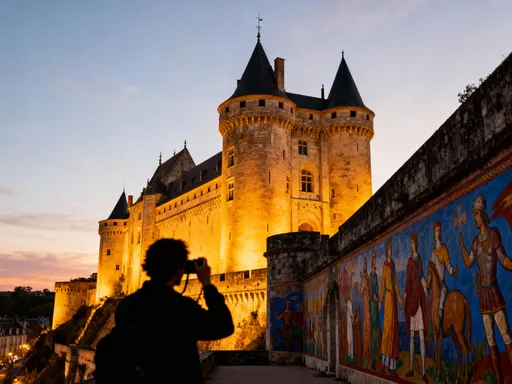
Rising from the banks of the Maine River, the Château d'Angers stands as a powerful symbol of medieval resilience and cultural preservation. Built in the 13th century under King Louis IX, its 17 soaring towers and 1,000-foot-long curtain wall dominate the city skyline, offering one of the most dramatic backdrops in western France. Unlike many historic castles that feel frozen in time, this fortress pulses with life—hosting exhibitions, concerts, and seasonal light shows that draw both locals and visitors into its storied embrace. The blend of military might and artistic legacy makes it more than a museum; it is a living stage where history is not just remembered, but performed.
Photographers and culture lovers alike find endless inspiration within its ramparts. At sunrise, the stone glows amber as mist curls along the river, creating a dreamlike atmosphere perfect for long-exposure shots. By dusk, subtle lighting illuminates the towers from below, casting dramatic shadows that emphasize the castle’s vertical strength. Walk the elevated pathways for sweeping views of the city, or frame your shot from across the water for a full-frontal view that captures the castle’s symmetrical grandeur. The contrast between the ancient gray stone and the changing sky—soft pink at dawn, deep indigo at night—adds emotional depth to every image.
What truly sets the Château d'Angers apart is how it balances preservation with accessibility. Staircases are well-maintained, signage is clear and multilingual, and guided audio tours help visitors of all ages connect with its past. Families stroll the grounds, children run between towers, and couples pause for quiet moments on shaded benches. This isn’t a relic behind glass—it’s a shared space where centuries of history are felt in the cool breeze and heard in the echo of footsteps on stone. For the modern traveler seeking authenticity, the castle offers a rare combination: monumental scale and human warmth.
Tapestry & Light: The Story Behind the Apocalypse Embroidery
Inside the castle’s cool, hushed halls lies one of the most extraordinary artistic treasures of the Middle Ages: the Apocalypse Tapestry. Woven in the late 14th century, it is the largest known medieval tapestry in the world, originally stretching over 140 meters and comprising 90 scenes. Today, 71 panels survive, meticulously preserved and displayed in a dimly lit gallery designed to protect the delicate wool and silk fibers. The tapestry depicts the Book of Revelation in vivid, sometimes haunting detail—rivers of blood, celestial horses, and divine judgment rendered with astonishing artistry. Yet rather than feeling distant or religiously rigid, the work speaks to universal human themes: fear, hope, transformation, and the enduring struggle between chaos and order.
What makes viewing the tapestry such a powerful experience—and a photographer’s dream—is the way modern lighting enhances its ancient colors. Strategically placed LED fixtures bring out the deep crimsons, forest greens, and gold threads that might otherwise fade into shadow. The illumination changes subtly as you walk the curved gallery, creating a cinematic rhythm that mirrors the unfolding narrative. For photography, a tripod is not allowed, but high-sensitivity smartphone cameras or mirrorless devices with image stabilization can capture stunning details: the texture of the weave, the expressive faces of angels and beasts, the intricate borders filled with floral and symbolic motifs.
The emotional impact of the tapestry grows when you understand its origins. Commissioned by Louis I, Duke of Anjou, during a time of political instability and the aftermath of the Black Death, it was meant as both a spiritual shield and a statement of power. In an age of uncertainty, the imagery offered reassurance—evil would be vanquished, and divine order restored. Today, that same message resonates with modern audiences facing their own global challenges. The tapestry becomes more than art; it becomes a mirror. When you photograph it, you’re not just documenting history—you’re capturing a centuries-old conversation about resilience, faith, and the human condition.
Street Art as Heritage: Angers’ Urban Canvas
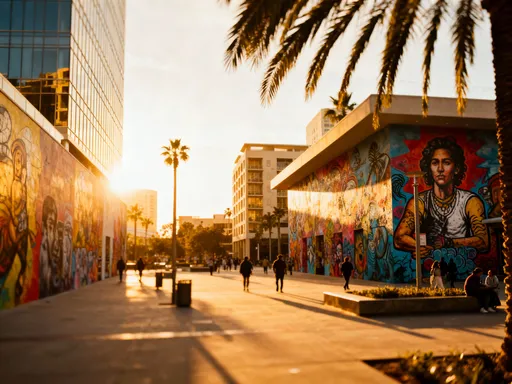
While the castle and cathedral speak to Angers’ medieval soul, its streets reveal a vibrant, contemporary heartbeat. Over the past two decades, the city has embraced street art not as vandalism, but as a legitimate form of cultural expression. Entire neighborhoods have become open-air galleries, where murals cover building facades, alleyways bloom with color, and forgotten walls tell stories of identity, nature, and social connection. This artistic transformation reflects a broader shift in how Angers sees itself—not just as a keeper of the past, but as a living, evolving community where creativity belongs in public spaces.
The annual Fresques et Murales festival is the highlight of this urban renaissance. Each summer, local and international artists are invited to transform blank walls into large-scale masterpieces. The process is public and participatory: residents watch as cranes lift painters into the air, children sketch alongside professionals, and community groups help choose themes. The result is a collection of works that feel deeply rooted in place—some celebrate Angevin history, others depict fantastical creatures or environmental messages. One mural shows a woman weaving the roots of trees into the city’s skyline; another portrays a child releasing a flock of paper birds over the Maine River. These are not random graffiti tags, but thoughtful, technically sophisticated works that invite contemplation.
For photography, the best spots are found in the Saint-Aubin and La Doutre districts. Early morning light hits the east-facing walls just after sunrise, reducing glare and bringing out the depth of color. The mural of a giant octopus wrapping its arms around an old warehouse is particularly photogenic, especially when framed with a low angle to emphasize its scale. Another favorite is the 'Tree of Life' on Rue du Château, where hyper-realistic leaves seem to flutter in the breeze. To avoid crowds, visit on weekday mornings or just before the festival ends, when most artists have finished but the official opening hasn’t drawn large groups. Angers proves that street art, when nurtured with care and vision, can become part of a city’s heritage—not in opposition to history, but in dialogue with it.
From Cathedral to Courtyards: Sacred Spaces Reimagined
At the heart of Angers stands the Cathédrale Saint-Maurice, a masterpiece of Gothic and Romanesque fusion that has welcomed worshippers and wanderers for nearly a millennium. Its twin spires rise above the old town, visible from almost every corner of the city. Step inside, and the atmosphere shifts instantly—hushed, cool, and filled with the soft glow of stained glass. The cathedral’s windows, some dating back to the 12th century, depict biblical scenes in radiant blues, reds, and golds. As sunlight moves across them throughout the day, the interior transforms: at midday, the nave floods with bright, jewel-toned light; in the late afternoon, long shadows stretch across the stone floor, creating natural framing for quiet reflection.
Photographers will find endless opportunities here, but patience is key. The best light comes in short windows—around 9 a.m. and 4 p.m.—when the sun strikes the windows at an angle that illuminates the glass without washing out details. A polarizing filter can help reduce reflections on protective glass, and a wide-angle lens captures the full height of the vaulted ceilings. For more intimate shots, explore the side chapels and cloister garden, where ivy climbs ancient arches and flowers bloom in carefully tended beds. These quieter spaces offer a sense of solitude rare in major cathedrals, making them ideal for soft-focus or black-and-white photography that emphasizes texture and mood.
What makes Saint-Maurice unique is its balance of grandeur and approachability. Masses are still held regularly, but visitors are welcome to sit, pray, or simply observe. There’s no ticket, no queue, and no rush—just the quiet rhythm of footsteps and the occasional chime of the bell tower. This accessibility allows for genuine connection, whether you’re spiritual or simply seeking beauty. The cathedral is not a performance for tourists; it’s a living part of daily life. In a world where sacred spaces often feel commercialized or overcrowded, Angers offers a refreshing alternative: reverence without pretense, history without barriers.
Les Machines de l’Île: Where Imagination Takes Flight
Just a short walk from the city center, in the renovated shipyards along the Maine River, lies one of Angers’ most enchanting attractions: Les Machines de l’Île. Inspired by the visionary worlds of Jules Verne and Leonardo da Vinci, this artistic project brings mechanical fantasy to life through colossal, moving sculptures powered by gears, hydraulics, and human energy. The centerpiece is the Great Elephant—a 45-foot-tall, 48-ton beast with a wooden skeleton, leather skin, and a howdah on its back that carries up to 50 passengers. Twice daily, it lumbers through the garden, trunk swaying, steam puffing from its ears, as crowds gather to watch and photograph this impossible creature in motion.
The experience is pure wonder. Children laugh as the elephant sneezes water from its trunk; adults marvel at the engineering precision behind its movements. The surrounding workshop and exhibition halls showcase other creations: a flying carousel shaped like a marine observatory, a heron tree with flapping birds, and blueprints for future machines still in development. Every detail—the rivets, the creaking wood, the scent of oil and sawdust—adds to the immersive atmosphere. For photographers, the contrast between the mechanical and the organic is irresistible: a steel bird mid-flight against a cloudy sky, or the elephant’s shadow stretching across the cobblestones like a prehistoric giant.
What elevates Les Machines de l’Île beyond mere spectacle is its cultural depth. It’s not just entertainment; it’s a celebration of human creativity, a tribute to the inventors and dreamers who shaped modern thought. The project emerged from Nantes but found a second home in Angers, where its themes of innovation and imagination resonate with the city’s own reinvention. Tickets are timed and moderately priced, with discounts for families. To avoid lines, book online in advance and arrive 30 minutes before your slot. Whether you ride the elephant or simply watch it walk, the experience lingers—a reminder that magic, when built with skill and heart, can feel entirely real.
Hidden Gardens and Quiet Corners: Offbeat Photogenic Retreats
Beyond the landmarks, Angers reveals its most intimate beauty in quiet corners known mainly to locals. The Jardin des Plantes, one of France’s oldest botanical gardens, is a serene escape filled with century-old trees, medicinal plants, and a small aviary. Early on a summer morning, mist hovers above the ponds, and the air hums with birdsong. Photographers can capture dew on spiderwebs, reflections in still water, or the delicate veins of a rare fern. Unlike more famous gardens in Paris or Lyon, this one remains uncrowded, allowing for peaceful exploration and spontaneous compositions.
Another hidden gem is the île Saint-Aubin, a narrow island in the Maine River connected by a single footbridge. Once an industrial zone, it’s now a peaceful retreat with walking paths, wildflowers, and benches facing the water. At sunset, the light turns golden, gilding the surface of the river and silhouetting the trees on the opposite bank. It’s a perfect spot for long-exposure shots of flowing water or for capturing the soft glow of city lights as they begin to flicker on. Because it’s off the main tourist trail, few visitors come here, making it ideal for those seeking solitude and authenticity.
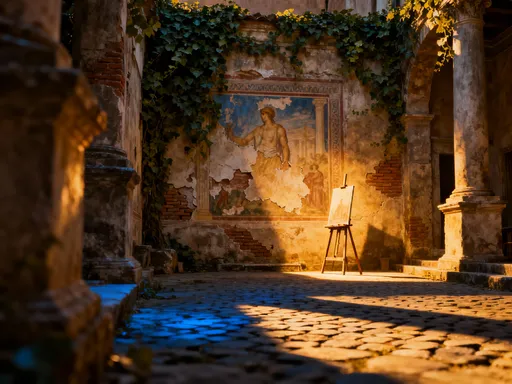
Other quiet spots include the courtyard of the former Abbey of Saint-Aubin, now a cultural center with a hidden garden, and the narrow alleys of the Boucle district, where ivy drapes over medieval stone and laundry lines crisscross between buildings. These places don’t appear on every map, but they define the soul of Angers. To photograph them well, go slow. Use natural light, respect privacy, and wait for the right moment—a cat leaping a wall, a bicycle leaning against a door, a shaft of sunlight breaking through clouds. These unplanned details often make the most memorable images. In a world of curated feeds, Angers reminds us that beauty thrives not just in the spotlight, but in the shadows and silences between.
Why Angers Deserves a Bigger Spotlight—And How to Experience It Right
Angers is the kind of city that changes you quietly. It doesn’t shout for attention like Paris or seduce with glamour like Nice. Instead, it reveals itself gradually—in the curve of a stone arch, the glow of a mural at dusk, the sound of a mechanical elephant stepping through the garden. Its power lies in balance: between history and innovation, grandeur and intimacy, tourism and daily life. While other destinations struggle with overcrowding or commercialization, Angers maintains a rare authenticity. You can stand in a 1,000-year-old cathedral without dodging selfie sticks, or photograph a world-famous tapestry without a crowd blocking your view. This isn’t because it lacks significance—it’s because it hasn’t yet been discovered by the masses.
Now is the time to visit, but with care. The best seasons are spring (April to June) and early autumn (September to October), when temperatures are mild, flowers are in bloom, and the light is soft and golden. Summer brings festivals and longer days, but also more visitors, so book accommodations early. Winter is quiet and atmospheric, ideal for moody photography, though some outdoor attractions may have limited access. When exploring, walk whenever possible—the city center is compact and pedestrian-friendly. Respect local customs: greet shopkeepers with a polite 'bonjour,' avoid loud conversations in sacred spaces, and never trespass on private property for a photo.
Sustainable travel is essential. Carry a reusable water bottle—Angers has many public fountains with safe drinking water. Support local cafés and boutiques rather than chain stores. When photographing street art, avoid touching the walls or using tripods in narrow lanes. Most importantly, take time to connect—not just with the sights, but with the people. A conversation with a gardener, a smile from a shop owner, a shared moment at a bus stop—these human connections enrich the journey far more than any perfect shot. Angers teaches us that cultural travel isn’t about collecting images, but about deepening understanding. It invites us to look closely, move slowly, and appreciate the quiet beauty of a place that honors its past while embracing the future. So pack your camera, but leave room in your heart. Angers is waiting—not to impress, but to inspire.