You’ve Never Seen San Diego Like This — Public Spaces That Stop Your Scroll
When I first wandered through San Diego’s sunlit downtown, I wasn’t chasing landmarks—I was hunting vibes. What I found blew my mind: public spaces transformed into open-air galleries, waterfront parks with perfect golden-hour lighting, and street corners where every angle screams insta-worthy. This city doesn’t just invite photos—it’s built for them. From urban plazas buzzing with life to quiet coastal overlooks, San Diego turns everyday spaces into unforgettable visual stories. The way light dances across stone courtyards, how murals bloom on once-blank walls, and the rhythm of daily life unfolding along the bay—all of it comes together to create a cityscape that feels both curated and effortlessly authentic. For anyone who values beauty in the ordinary, San Diego offers a masterclass in how public spaces can inspire, connect, and captivate.
The Art of Urban Vibe: Why Public Spaces Define San Diego’s Instagram Soul
San Diego’s charm lies not only in its postcard-perfect beaches but in the intentional design of its public spaces. Unlike cities where urban planning prioritizes traffic flow over human experience, San Diego has long embraced a culture of outdoor living, walkability, and visual accessibility. Its downtown core, waterfront promenades, and neighborhood plazas are not afterthoughts—they are central to the city’s identity. These spaces are designed with people in mind: wide sidewalks, shaded seating, and unobstructed sightlines make them ideal for lingering, observing, and, naturally, capturing moments.
What makes these areas so compelling on social media is their authenticity. In an age where curated feeds often feel staged, San Diego’s public spaces offer realness. The sunlight hits just right on the pale stone of a plaza at 5 p.m. The breeze lifts a child’s kite in front of a mural, creating a spontaneous composition. A couple shares ice cream on a bench framed by ocean views. These are not manufactured scenes; they are the organic result of thoughtful urban design. The city’s commitment to open, inviting spaces ensures that beauty isn’t locked behind gates or admission fees—it’s available to everyone, every day.
The visual appeal of San Diego’s public areas also stems from their versatility. A single plaza can serve as a morning yoga spot, a lunchtime gathering place, and an evening backdrop for golden-hour portraits. This adaptability makes the city a favorite among content creators who value both aesthetic consistency and variety. Whether you're drawn to bold colors, natural light, or human-centered scenes, San Diego’s public spaces provide a canvas that evolves with the day. It’s no wonder that influencers, photographers, and everyday visitors alike find themselves pausing—not just to take a photo, but to feel part of something vibrant and alive.
Waterfront Magic: The Embarcadero & Seaport Village – Where the Sky Meets the Feed
The Embarcadero is San Diego’s living postcard, a broad, palm-lined boulevard that traces the edge of the bay like a ribbon. From sunrise to sunset, it pulses with energy—joggers, cyclists, families, and tourists all moving in rhythm with the tides. But it’s in the late afternoon that the Embarcadero truly comes alive for photographers. As the sun dips toward Coronado, the water begins to shimmer, reflecting the sky in molten gold. The historic USS Midway Museum, moored nearby, becomes a dramatic silhouette, its decks and towers framing the horizon.
One of the most photographed spots along the Embarcadero is the edge of B Street Pier. Here, the walkway extends slightly over the water, offering unobstructed views of the bay and the city skyline. With the right timing, a single shot can capture the glow of the sun, the reflection of passing boats, and the silhouette of a person standing at the railing—simple, powerful, and deeply evocative. Nearby, Seaport Village adds another layer of visual interest. Its cobblestone paths, wooden boardwalks, and clusters of bright umbrellas create a cheerful, relaxed atmosphere. The food kiosks and boutique shops aren’t just functional—they add pops of color and movement that elevate casual snapshots into compelling compositions.
What sets this area apart is its accessibility. Unlike exclusive resorts or private marinas, the Embarcadero and Seaport Village are open to all. You don’t need a reservation or a ticket to enjoy the view. This democratic approach to beauty is part of what makes the space so shareable. Visitors feel a sense of ownership, of belonging, which naturally translates into more authentic and engaging content. Whether you're capturing a wide-angle shot of the skyline or a close-up of seagulls diving for fries, the scene feels real because it is. The Embarcadero doesn’t just look good—it feels good to be in.
Urban Canvas: The Rise of Public Art in East Village & Downtown
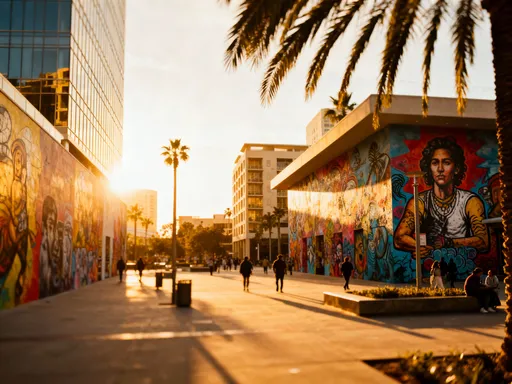
Walk through San Diego’s East Village, and you’ll quickly realize that the streets themselves are galleries. Over the past decade, the city has embraced public art as a cornerstone of urban revitalization. What were once blank warehouse walls now burst with color, narrative, and cultural expression. Around Petco Park and the Convention Center, murals range from abstract patterns to detailed portraits of local figures, each telling a story about community, heritage, and creativity. These works aren’t static—they rotate, evolve, and respond to the seasons, ensuring that the visual landscape is always fresh.
One standout piece is the massive mural on the side of a building near 11th Avenue and J Street. Painted in warm earth tones and vibrant blues, it depicts a blend of Native American and Chicano influences, honoring the region’s diverse roots. The scale alone makes it a favorite for full-body shots, while the intricate details reward close-ups. Other walls feature playful designs—giant flowers, surreal animals, geometric shapes—that invite interaction. It’s common to see people posing beside a painted tiger or pretending to hold a balloon in a sky full of them. These murals don’t just decorate; they invite participation.
The city’s public art program works closely with local artists, ensuring that the work reflects authentic voices rather than generic aesthetics. This commitment to community-driven creativity adds depth to the visuals. When you photograph a mural in East Village, you’re not just capturing color and form—you’re engaging with a piece of San Diego’s soul. For content creators, this means their images carry more meaning. For visitors, it means every corner turned could reveal something unexpected and beautiful. The result is a downtown that feels alive, dynamic, and endlessly photogenic.
Green & Glowing: Balboa Park’s Hidden Corners for Breathtaking Shots
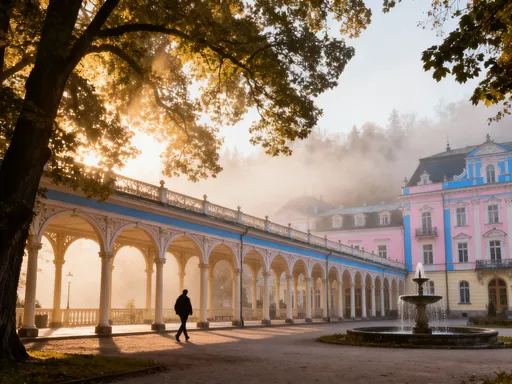
Balboa Park is often celebrated for its museums and the iconic California Tower, but its true magic lies in the quieter, less-traveled paths. Beyond the main plazas, the park unfolds into a network of gardens, fountains, and shaded walkways that feel worlds away from the city. Early in the morning, when mist still clings to the palms and the air is cool, the park offers some of the most serene and visually rich moments in San Diego. Light filters through the trees in soft beams, illuminating cobblestone paths and casting delicate shadows on Spanish-revival facades.
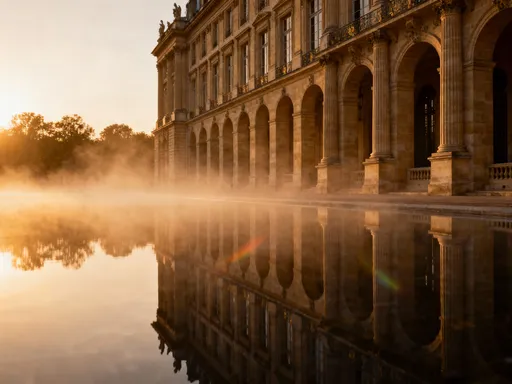
One of the most underrated spots is the Alcazar Garden, modeled after the gardens of Spain’s Seville. Its symmetrical layout, tiled fountains, and blooming flowers create a sense of order and elegance. The reflecting pools double the visual impact, turning a simple portrait into a dreamlike image. Nearby, the Japanese Friendship Garden offers a different mood—calm, contemplative, and rich with texture. The wooden bridges, koi ponds, and carefully pruned pines make it a favorite for minimalist compositions and soft-focus shots.
For panoramic views, the Cabrillo Bridge remains unmatched. Spanning a canyon with the park on one side and the city on the other, it offers sweeping vistas that change with the light. At sunrise, the towers of the museum complex glow in rose gold. At dusk, the city lights begin to twinkle below. Because the bridge is elevated and often less crowded than ground-level areas, it’s ideal for clean, uncluttered shots. Balboa Park’s architecture—arched doorways, ornate tile work, and shaded courtyards—also provides endless framing opportunities. A single afternoon here can yield dozens of distinct looks, all within walking distance.
Street Life as Content: Little Italy’s Piazza & Urban Plazas That Breathe
Little Italy’s Piazza della Famiglia is the heartbeat of the neighborhood, a lively square where food, music, and community converge. Framed by restaurants with outdoor seating, strung with twinkling lights, and centered around a dancing fountain, the piazza is designed for connection—and for capturing it. On weekend evenings, the space fills with families, friends, and visitors enjoying wine, gelato, and live music. The atmosphere is warm, energetic, and deeply photogenic. Even on quieter afternoons, the interplay of light and shadow, the red umbrellas, and the textured walls create a rich visual tapestry.
What makes the piazza special is its authenticity. Unlike staged sets or pop-up installations, this is a space where real life unfolds daily. A grandmother pushes a stroller past a guitarist. A dog sits patiently under a table while its owner sips espresso. These candid moments are the gold standard for lifestyle photography—natural, emotional, and full of character. For those creating content, the piazza offers a rare blend of structure and spontaneity. The architecture provides a consistent backdrop, while the people bring ever-changing energy.
Other revitalized plazas, like Horton Plaza Park, echo this balance. Once a struggling mall, the space has been transformed into an open-air urban park with tiered seating, native plants, and public art. It’s now a favorite for casual meetups, yoga sessions, and afternoon reading—all of which make for relatable, aspirational content. These plazas prove that great public spaces aren’t just about looks; they’re about fostering moments worth remembering—and sharing.
Coastal Perfection: Sunset Views from Cabrillo National Monument & La Jolla Shores
For sheer visual drama, few places in San Diego rival the Cabrillo National Monument at sunset. Perched on the tip of Point Loma, the site offers unobstructed views of the Pacific Ocean, the city skyline, and the Coronado Bridge. As the sun descends, the cliffs glow in warm hues, and the water turns from blue to gold to deep purple. The old military ruins scattered across the landscape add a sense of history and texture, creating compelling foreground elements for wide-angle shots.
The Bayside Trail, a short loop with multiple overlooks, is ideal for capturing different perspectives. One vantage point frames the sunset between two stone pillars; another looks directly across the bay toward downtown. Because the monument is slightly removed from the main tourist zones, it tends to be less crowded than other sunset spots, allowing for more intimate and peaceful compositions. The combination of natural beauty and historical presence gives the images a depth that goes beyond mere aesthetics.
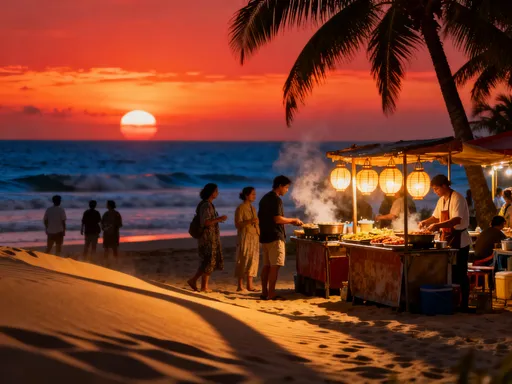
Further north, La Jolla Shores offers a softer, more relaxed coastal vibe. The wide, sandy beach is perfect for barefoot walks, kite flying, and dog play—all of which create natural, joyful scenes. The gentle slope of the shore means the water reflects the sky beautifully during golden hour. Couples strolling hand in hand, children building sandcastles, or a lone surfer paddling out become poetic elements in a larger visual story. Unlike more manicured parks, La Jolla Shores feels wild and free, a reminder that some of the best moments happen without planning.
Pro Tips: How to Capture San Diego’s Public Spaces Like a Local (Without Looking Try-Hard)
Capturing San Diego’s beauty doesn’t require professional gear or elaborate setups. The city rewards observation and timing. For the best light, aim for one hour before sunset—known as golden hour—when shadows are soft and colors are warm. Blue hour, the 20 minutes after sunset, offers a cooler, more atmospheric look, especially for cityscapes. Use free apps like PhotoPills or Sun Surveyor to track the sun’s position and plan your shots in advance.
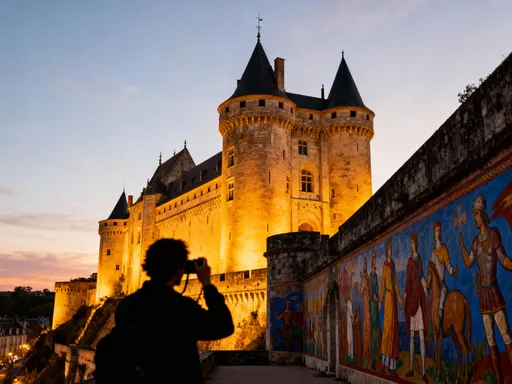
To blend in while photographing, move naturally. Instead of standing still with a camera raised, walk slowly along a path, pause occasionally, and shoot between steps. Sit on a bench with a coffee and take candid shots of passersby. This approach feels more organic and less intrusive. If you’re photographing people, a smile and a nod go a long way in making the moment feel mutual rather than exploitative.
Keep your gear simple. A smartphone with a good camera is often enough, especially when paired with a lightweight tripod or grip. Avoid large bags or bulky equipment that draw attention. Respect posted rules—some areas prohibit tripods or commercial shoots without permits. And always be mindful of others; don’t block pathways or disrupt events for a shot.
Finally, let the space guide you. Some of the best images come from waiting, watching, and allowing the scene to unfold. A child chasing a ball into the frame, a flock of birds lifting off the water, or a sudden burst of laughter—these are the moments that make San Diego’s public spaces truly unforgettable.
More Than a Photo – The Lasting Beauty of Shared Spaces
San Diego’s public spaces offer more than just picture-perfect backdrops—they invite presence, connection, and discovery. In a world where so much of life is mediated through screens, these places remind us of the joy of being physically present. They are where stories begin, where friendships deepen, and where strangers share a smile over a beautiful view. The photos we take are not the destination; they are souvenirs of moments lived fully.
What makes San Diego exceptional is how it weaves beauty into the everyday. You don’t need to travel far or spend a fortune to find a place that moves you. It might be a bench by the bay, a quiet garden path, or a mural on an alley wall. These spaces are not designed for likes—they are designed for life. And yet, because they are so full of life, they end up filling our feeds in the most genuine way.
So the next time you find yourself in San Diego, put down the checklist. Step off the main path. Let the light guide you, let the murals speak, let the ocean breeze slow your pace. Explore not to capture, but to experience. Because the most beautiful photos aren’t the ones with perfect composition—they’re the ones that carry the feeling of being there, of being part of something real, warm, and alive. In San Diego, that feeling is never far away.